Custom Perfume Box Manufacturer for Luxury Fragrance Brands

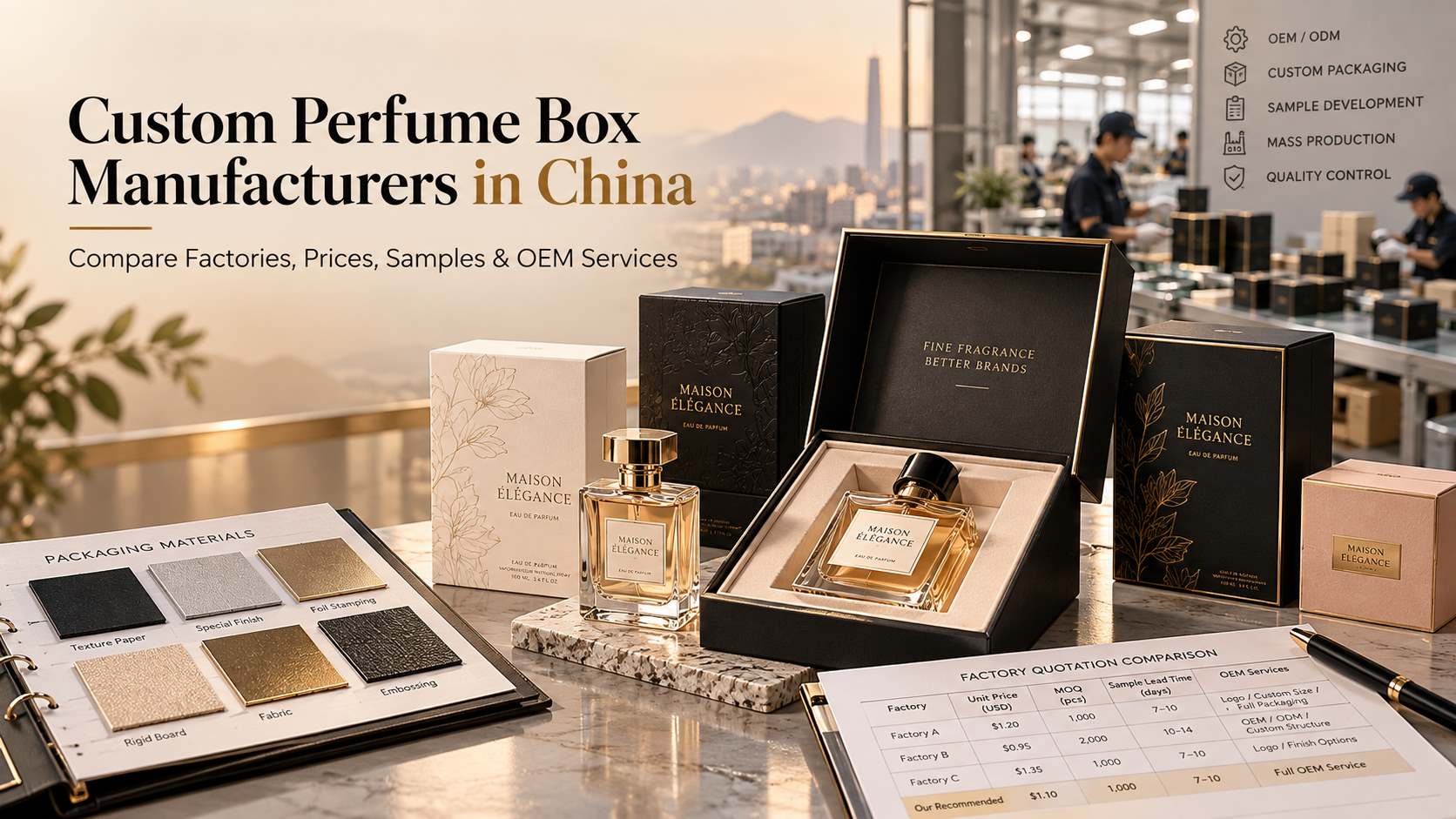
A perfume box is often the first physical interaction a customer has with a fragrance brand. Before the bottle is opened and the scent is experienced, the packaging communicates the product’s positioning, attention to detail, and perceived value. For a premium fragrance, a poorly fitted insert, inconsistent print finish, or box that feels flimsy can undermine the impression the brand wants to create. The right packaging should look distinctive, protect the bottle, and work reliably throughout production, storage, and delivery.
LVPACK provides custom perfume boxes for fragrance brands, private-label businesses, retailers, and companies developing new perfume collections. From rigid presentation boxes and magnetic closure boxes to folding cartons and coordinated gift packaging, each project can be developed around the product dimensions, brand identity, target market, and budget.
Custom perfume packaging involves more than choosing a box shape and adding a logo. Materials, structural design, surface finishes, inserts, assembly, and shipping requirements all influence the final result. A successful design brings these elements together before mass production begins.
Whether you are launching a new fragrance, refreshing an established product line, or developing a gift set, the goal is the same: create packaging that represents your brand well and meets the practical needs of your business.
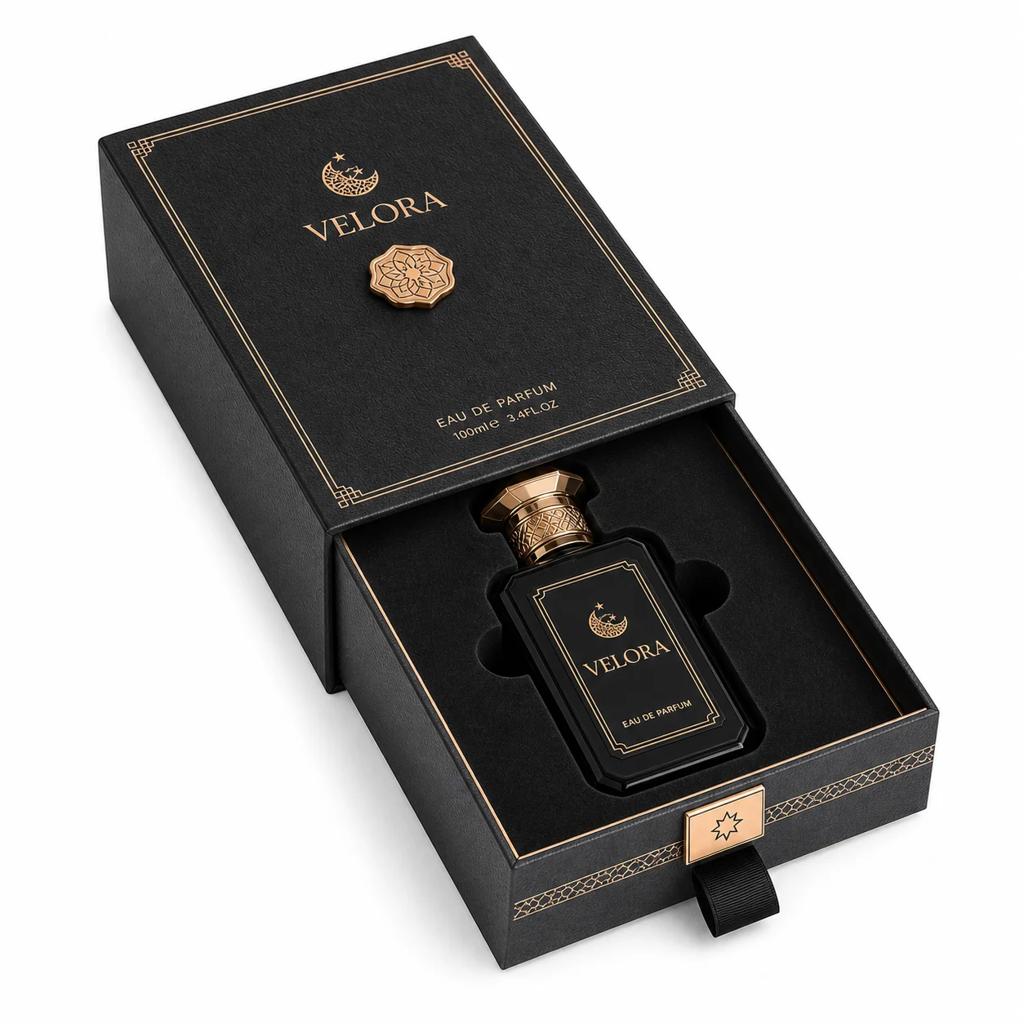
Custom Perfume Boxes for Luxury Fragrance Brands
The right perfume box should reflect how you want customers to experience your brand. Some fragrance lines benefit from understated packaging with clean typography and textured paper. Others call for a more elaborate presentation, using rigid structures, metallic details, or carefully arranged product compartments.
LVPACK develops packaging around the requirements of each project rather than relying on a single standard design. Your preferred box style, bottle dimensions, artwork, material choices, and finishing requirements can all influence the final specification.
A custom box can help you address several business needs at once:
Present your fragrance in a way that supports your brand positioning.
Keep the bottle and accessories properly arranged inside the package.
Create a consistent visual identity across different fragrances or product sizes.
Select materials and finishes that suit your target price point.
Prepare a repeatable specification for future production orders.
For example, a niche fragrance brand may choose a restrained design with specialty paper and a small foil-stamped logo. A perfume gift collection may require a larger rigid box with separate compartments. A product intended for wider retail distribution may need a more economical folding carton.
There is no single structure that works best for every fragrance. The most suitable solution depends on the product, how it will be sold, how it will be transported, and what the customer should experience when opening it.
Explore our custom perfume boxes to see the packaging category relevant to your project.
Custom Perfume Box Designs for Different Brands and Bottles
Different box structures serve different purposes. The choice should reflect your fragrance bottle, the presentation you want to achieve, the protection required, and the budget available.
Rigid Perfume Boxes
Rigid perfume boxes are commonly selected for premium products because their firm structure supports a substantial presentation. They can be wrapped in specialty paper and customized with printed artwork, foil stamping, embossing, or other suitable finishes.
They are particularly relevant for signature fragrances, premium gift sets, and products where the packaging forms an important part of the customer experience.
Before choosing a rigid box, consider the finished dimensions, board thickness, lid fit, wrapping material, and internal insert. These details affect both appearance and usability. A rigid box may offer a more substantial presentation, but it can also require more material, assembly, and storage space than a folding carton.
Magnetic Closure Perfume Boxes
A magnetic closure box offers a clean, structured opening experience. The lid closes against the box body, creating a neat presentation suitable for premium fragrance packaging and gift collections.
This style can work well when the exterior design, opening experience, and internal product arrangement are important. However, the closure, lid dimensions, and insert layout must be developed together to ensure that the finished box functions as intended.
Drawer Perfume Boxes
A drawer box uses an inner tray that slides out of an outer sleeve. This structure can create a layered presentation and provide space for a bottle, product information card, or related accessories.
The drawer needs to move smoothly without being excessively loose. Paper thickness, internal clearance, surface friction, and the weight of the contents all influence the experience. If the box includes a ribbon pull or another opening feature, that detail should also be considered during structural development.
Lid-and-Base Perfume Boxes
A lid-and-base box consists of a separate lid and base. It offers a straightforward presentation structure that can be adapted to different dimensions and decorative styles.
This option may suit fragrance gift boxes, individual bottles, and coordinated packaging collections. The depth of the lid, the fit between the two parts, and the position of the insert should be confirmed during sampling.
Folding Cartons for Perfume Products
Folding cartons are made from paperboard and can be shipped flat before assembly. Depending on the design, they may offer an efficient solution for retail products where packaging volume and material usage are important considerations.
A folding carton can still support strong brand presentation through color management, typography, specialty paper choices, and suitable finishing techniques. The key is to balance appearance with the structural requirements of the bottle and the intended distribution conditions.
Custom Perfume Box Printing, Finishes, and Materials
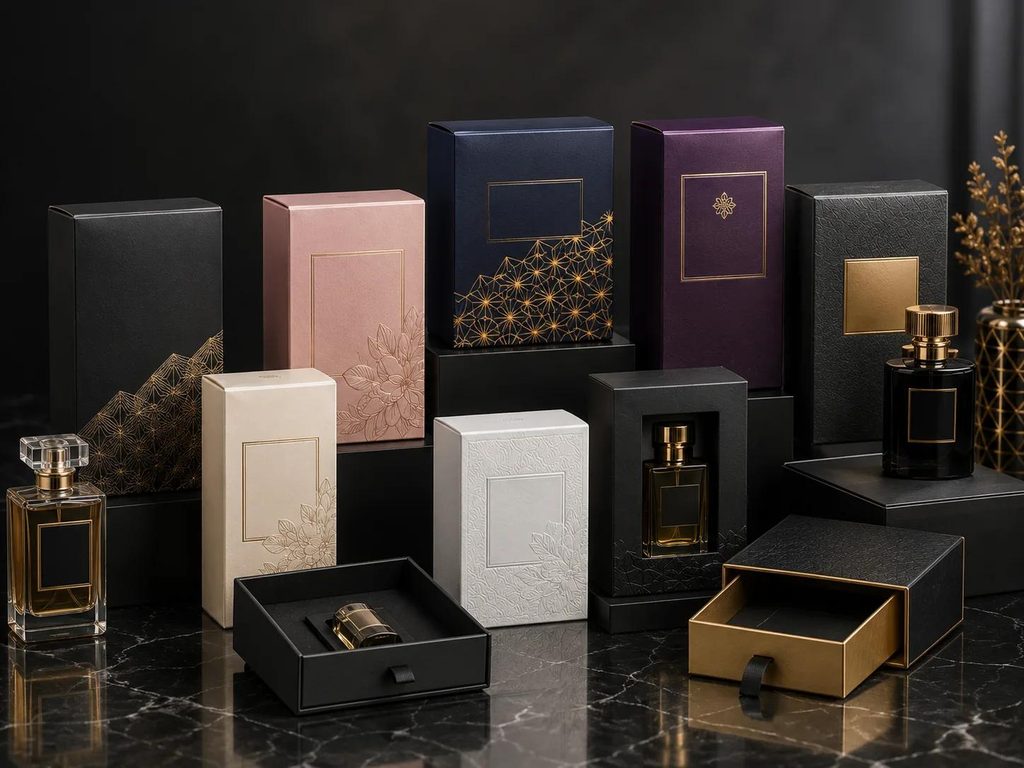
Materials and finishing choices influence how a perfume box looks, feels, and performs. They also affect production complexity and cost. Rather than selecting each feature separately, it is better to develop a combination that supports your brand identity and fits the chosen structure.
Paper and Board Selection
Different materials create different visual and functional results.
Coated paper can provide a smooth surface for printed artwork.
White paperboard is commonly used for folding cartons and printed packaging.
Kraft paper offers a natural-looking appearance for suitable brand styles.
Specialty paper can introduce distinctive colors, textures, or surface effects.
Greyboard can provide the rigid core used in many wrapped rigid boxes.
Corrugated board may be appropriate where additional structural protection is required.
Recycled paper options can be considered when they meet the project’s appearance and performance requirements.
The right material depends on the box structure, required strength, printing method, surface finish, and budget. A material that looks attractive in a sample may behave differently when wrapped around a rigid structure or combined with a particular finish. Material selection should therefore be evaluated as part of the complete design.
Printing and Color Consistency
Printing reproduces your brand artwork, typography, and visual identity on the packaging. Depending on the project, suitable options may include CMYK printing, spot-color printing, Pantone color matching, or digital printing.
Color expectations should be discussed before sampling. The appearance of a color can vary with the paper surface, ink system, coating, and lighting conditions. If your brand depends on a specific color, provide approved references and confirm the acceptable color range before mass production.
For collections containing several fragrances, establishing a consistent color and artwork specification can help maintain a coherent appearance across different box sizes and product variants.
Foil Stamping, Embossing, and Surface Finishes
Decorative finishes can add visual contrast and tactile detail to custom perfume packaging.
Gold or silver foil stamping can emphasize a logo, product name, or selected graphic element.
Embossing creates a raised effect, while debossing presses a design into the surface.
Spot UV adds localized gloss to selected areas.
Matte or gloss lamination changes the surface appearance and may offer additional protection.
Soft-touch lamination can create a smooth, velvety surface effect.
Silk-screen printing can be considered for suitable designs and materials.
Specialty paper textures can create visual interest without relying on extensive decoration.
More finishing does not automatically mean better packaging. Too many effects can make a design feel crowded, increase production complexity, and raise cost. A restrained combination of materials and finishes may communicate a premium identity more effectively than adding every available effect.
Before approving a finish, evaluate how it looks on the actual material and box structure. Small samples or finish references can help clarify expectations before the final sample is produced.
Custom Perfume Box Inserts for Bottle Protection and Presentation
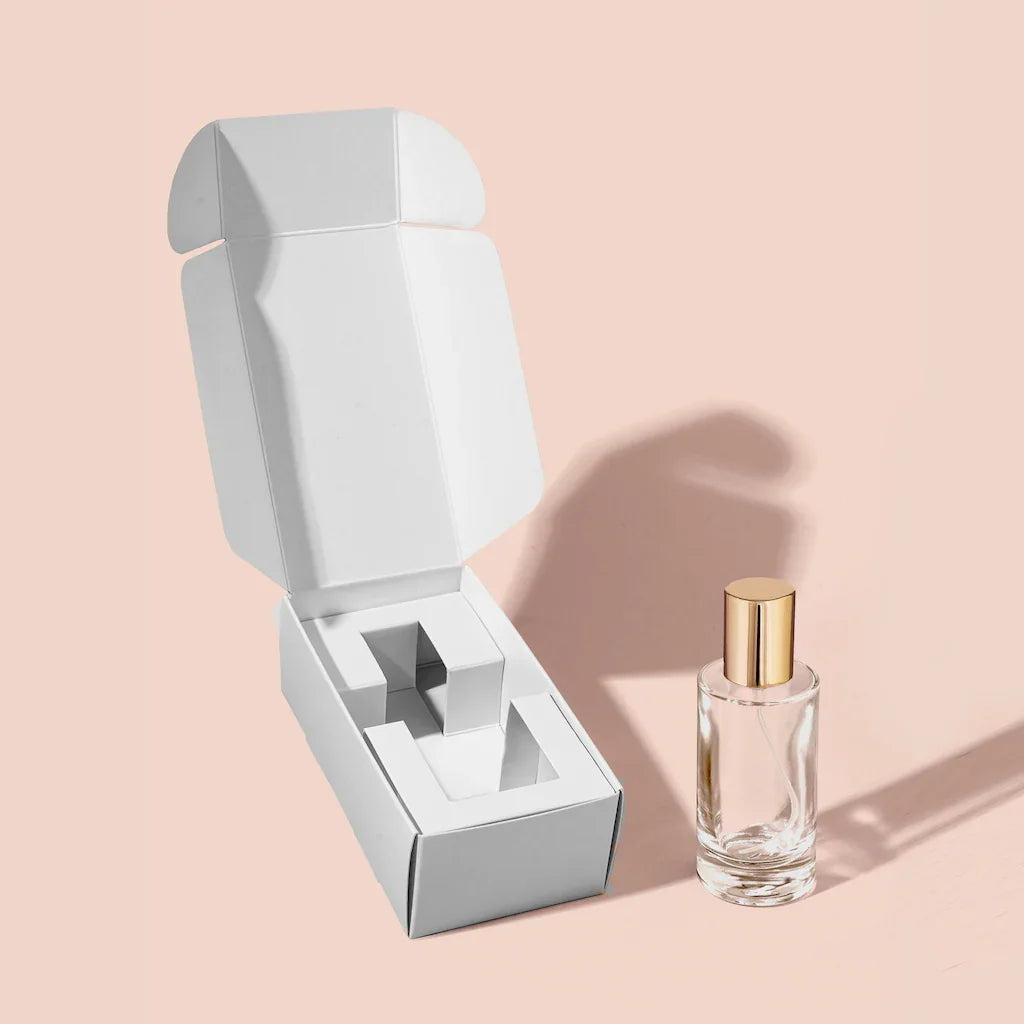
The insert is one of the most important parts of a perfume box. It positions the bottle, helps prevent unwanted movement, and determines how the product is presented when the package is opened.
A bottle that shifts inside the box may create an impression of poor fit and can be more vulnerable during handling. An insert that grips too tightly, however, may make the bottle difficult to remove. The goal is to achieve a practical balance between support, access, appearance, and protection.
EVA Foam Inserts
EVA foam can be shaped to accommodate a particular bottle profile. It may be suitable for projects that require a defined cavity and a close-fitting presentation.
The insert dimensions should be developed around the actual bottle, including its widest points, base shape, cap, and any decorative elements. Material density and cavity tolerances also influence the final fit.
Paperboard Inserts
Paperboard inserts can provide an integrated paper-based option for suitable box structures. Their layout can be designed around the bottle and, where required, additional product components.
The design should consider the stiffness of the board, the weight of the contents, and the support needed during handling and transport. Paper-based inserts are not automatically suitable for every bottle, so their performance should be assessed against the product’s actual requirements.
Flocked and Sponge Inserts
Flocked inserts add a soft surface appearance, while sponge inserts can provide cushioning for suitable applications. The selection depends on the desired presentation, bottle geometry, required support, and compatibility with the overall packaging design.
PVC and PET Insert Trays
PVC or PET trays may be considered for designs that require a formed insert or a particular presentation effect. Their suitability depends on the structure, appearance requirements, market expectations, and material preferences for the project.
Regardless of the insert material, the final sample should be tested with the actual perfume bottle. Check whether the bottle fits securely, can be removed without difficulty, and remains appropriately supported when the box is handled. Where distribution conditions are demanding, additional packaging tests may be necessary.
Inside the Custom Perfume Box Manufacturing Process
A reliable custom packaging project starts with a clear specification. The more accurately the requirements are defined before production, the easier it becomes to evaluate samples, compare quotations, and reproduce the approved design.
1. Project Requirements and Design Review
The process begins with your product details, reference images, artwork, and packaging objectives. Important information includes the bottle dimensions, product weight, preferred box structure, order quantity, material preferences, and target delivery date.
If the design is still in development, the initial review can help identify structural questions and clarify which details need to be decided before sampling.
2. Structural Development and Material Selection
The box structure should accommodate the bottle while meeting the desired presentation and practical requirements. This stage considers internal dimensions, opening style, insert layout, board specification, and the relationship between the structure and decorative finishes.
Material selection should account for the box’s appearance, strength, production method, and budget. A design that looks attractive on screen may require adjustments when translated into a physical structure.
3. Sample Making and Evaluation
A sample allows you to evaluate the structure, dimensions, materials, artwork, and finishing before committing to mass production. Depending on the project, sampling may involve a structural prototype, a printed sample, or a sample with the intended decorative effects.
Review the sample using the actual perfume bottle wherever possible. Check the box dimensions, lid or drawer movement, insert fit, logo placement, color appearance, and overall finish.
If changes are required, record them clearly so the next sample can address the specific issues.
4. Sample Approval and Production Specification
Before mass production begins, confirm the approved sample and the specifications that define the finished product. These should cover the box dimensions, material references, artwork, finishes, insert layout, and any agreed tolerances or inspection requirements.
A clear approved specification helps reduce misunderstandings and provides a reference for checking production output.
5. Mass Production and Quality Checks
Production may include material preparation, printing, surface finishing, die-cutting, assembly, inspection, and packing. The exact sequence depends on the box structure and the processes required.
Quality checks should focus on the features that matter to the project, including dimensions, print consistency, surface appearance, assembly quality, insert fit, and finished-box condition.
6. Packing and Delivery Preparation
Finished boxes should be packed in a way that helps prevent scratches, dents, contamination, and damage during handling and transportation. The appropriate packing method depends on the box structure, quantity, shipping method, and destination.
Confirm packing requirements and delivery arrangements before production is completed, particularly when the packaging must arrive in time for a product launch or retail program.
Custom Perfume Box MOQ, Sampling, and Production Lead Times
Minimum order quantity and production lead time depend on the selected structure, materials, finishing requirements, and manufacturing setup. A standard folding carton and a complex rigid gift box may have very different production requirements, even if they hold the same perfume bottle.
For this reason, MOQ and lead time should be confirmed against the actual project specification rather than assumed from a general product category.
What Affects MOQ?
The main factors include:
The selected box structure and its production setup.
The number of designs, sizes, and artwork versions.
Material availability and purchasing requirements.
Special finishing or insert requirements.
Assembly complexity and the amount of manual work involved.
If you need several fragrance variants, clarify whether each design requires a separate minimum quantity. A shared structure may offer opportunities to coordinate some production requirements, but artwork, materials, and finishing can still affect the final order conditions.
What Affects Sampling Time?
Sampling time depends on how complete the design information is, whether structural development is required, the availability of materials, and the complexity of the requested finishes.
Providing accurate bottle dimensions, artwork, and reference images at the beginning can reduce unnecessary clarification. If the design is still evolving, allow time for evaluation and revisions before approving the final sample.
What Affects Production Lead Time?
Production scheduling may depend on material procurement, printing, specialty finishing, insert production, assembly, inspection, and packing. The quoted lead time should clarify when the production period starts and whether it begins only after sample approval and specification confirmation.
For a fragrance launch, work backward from the required delivery date. Include time for sampling, revisions, production, inspection, and transportation rather than planning around manufacturing time alone.
The most useful quotation provides a realistic schedule with clearly defined milestones. Confirm the expected timeline in writing before placing the order.
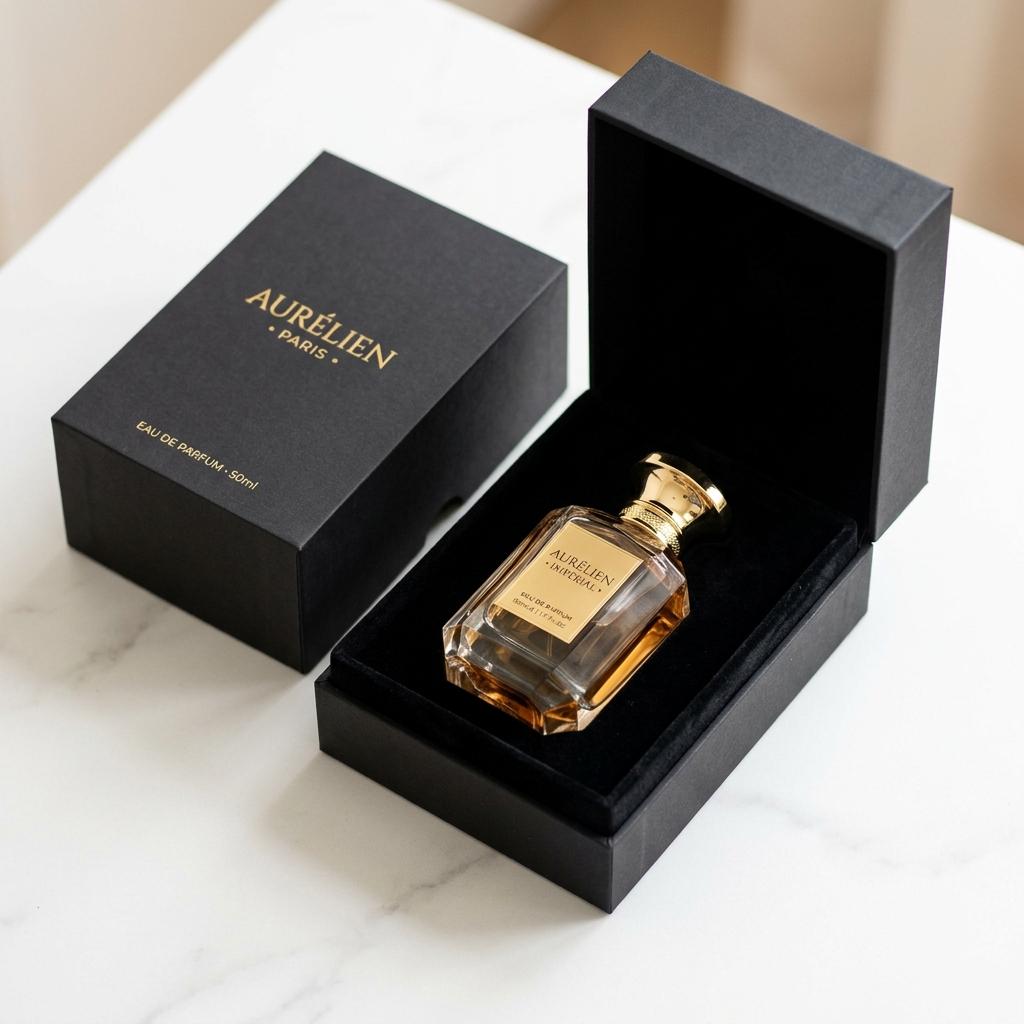
Custom Perfume Box Price: What Affects Your Quotation?
The price of a custom perfume box depends on the complete packaging specification. Two boxes with similar external dimensions may have different costs because of differences in structure, materials, inserts, finishing, assembly, or order quantity.
A meaningful quotation should compare equivalent specifications rather than focusing only on the unit price.
Box Structure and Dimensions
Rigid boxes typically require a different material and assembly approach from folding cartons. Drawer mechanisms, magnetic closures, multiple compartments, and elaborate internal layouts can add components and production steps.
Larger dimensions may require more material, while unusual shapes can increase development and cutting complexity. The most economical structure is not always the simplest-looking one; it is the structure that meets the product and brand requirements without unnecessary complexity.
Materials and Decorative Finishes
Paper grade, board thickness, wrapping paper, insert material, printing coverage, and finishing methods all affect cost. Specialty paper or multiple decorative processes may increase the material and production requirements.
If the target budget is fixed, discuss the priorities with the manufacturer. It may be possible to preserve the most important brand details while simplifying other elements.
Quantity and Production Setup
Order quantity influences how setup and development costs are distributed across the units. However, a larger order should not be assumed to produce a particular price without a project-specific quotation.
If you are comparing several quantities, request quotations using the same design and specification. This makes the differences easier to evaluate.
Sampling, Packing, and Shipping
The quotation should clarify whether sampling, tooling or setup charges, packing materials, inspection, freight, and other applicable costs are included or quoted separately.
Shipping costs also depend on the destination, shipment volume, transport method, and agreed delivery terms. A low factory price may not represent the lowest overall cost once all expenses are included.
To request a useful quotation, provide the box style, dimensions, bottle specifications, quantity, artwork, material preferences, finishing requirements, destination, and required delivery date.
Quality Control for Custom Perfume Box Manufacturing
A good sample is important, but consistent mass production requires a clear specification and appropriate quality checks. The aim is to ensure that the finished boxes match the agreed requirements, rather than relying on a general promise of high quality.
Material and Structural Checks
Confirm that the materials used match the approved specification. For rigid boxes, inspect the overall shape, wrapping quality, corners, lid fit, and visible surfaces. For folding cartons, check dimensions, folds, closure features, and the condition of the printed board.
Structural checks should reflect the design. A magnetic box, drawer box, and folding carton have different functional requirements.
Printing and Finishing Checks
Review logo placement, artwork accuracy, color appearance, and the consistency of decorative finishes. Look for scratches, smudges, misalignment, unwanted marks, or defects that affect the appearance of the finished packaging.
Where color consistency is important, establish an approved reference and a suitable review method before production.
Insert Fit and Product Protection
Use the actual bottle to verify the fit of the insert. Check for unwanted movement, excessive pressure, difficult removal, and interference with the cap or other bottle features.
The insert and box should be assessed as a complete system. A well-made box cannot compensate for an insert that does not support the bottle appropriately.
Packing and Final Inspection
Inspect the finished boxes for visible damage and confirm that the packing method is appropriate for storage and transport. The inspection requirements should be agreed before mass production, especially for projects with multiple designs or strict delivery schedules.
If a problem occurs, document the issue clearly, identify the affected specification, and agree on corrective action before proceeding with further production.
Why Choose LVPACK for Custom Perfume Box Manufacturing?
Choosing a packaging partner involves more than comparing product photographs and unit prices. You need a supplier that understands your product requirements, communicates clearly during development, and can work from an agreed specification through sampling and production.
LVPACK offers custom packaging development and manufacturing services for projects that require coordination between structure, materials, printing, finishing, inserts, and assembly. The specific solution depends on your project requirements and the capabilities confirmed for the selected product.
Packaging Development Based on Your Requirements
You can begin with a design file, a reference image, a physical sample, or an initial concept. The packaging requirements can then be reviewed to identify the appropriate structure, dimensions, materials, and finishing options.
This is useful when the design is not fully finalized or when you need to evaluate alternative solutions before making a production decision.
Coordinated Customization
A custom perfume box often combines several elements: the outer structure, printed artwork, surface finishes, internal insert, and sometimes additional components. Coordinating these elements during development helps establish a complete specification before production.
It also gives you a clearer basis for evaluating alternatives and discussing cost or design changes.
Sampling Before Mass Production
Sampling gives you an opportunity to assess the physical packaging before committing to a bulk order. It helps verify dimensions, bottle fit, opening function, material appearance, and decorative details.
Any changes should be documented and confirmed before the final specification is approved.
Support for Different Brand Stages
A new fragrance brand may need help turning an initial idea into its first production-ready package. An established brand may need consistent specifications across several product variants or repeat orders.
The appropriate level of support depends on the project’s scope, product range, quantity, and development requirements.
Learn more about LVPACK through our company introduction and discuss your specific requirements with the packaging team.
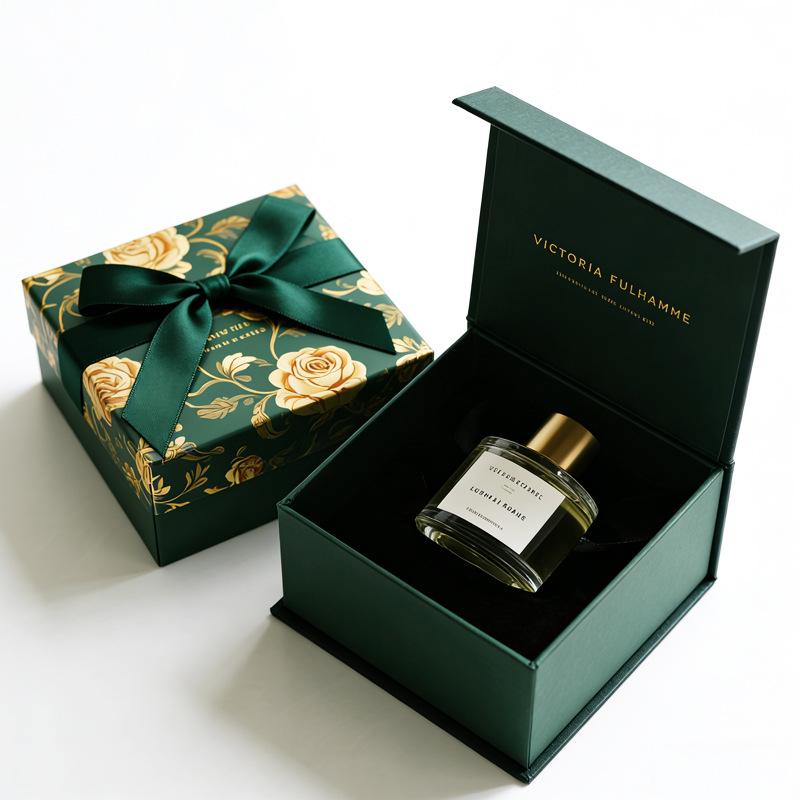
Frequently Asked Questions About Custom Perfume Boxes
Can I customize the dimensions and structure of my perfume box?
Yes. Custom packaging can be developed around your bottle dimensions, preferred structure, brand design, and product requirements. The final design should be reviewed for structural feasibility and confirmed through sampling.
What information is needed to start a custom perfume box project?
Provide the bottle dimensions and weight, preferred box style, estimated order quantity, artwork or reference images, material preferences, finishing requirements, and target delivery date. If some details are not yet decided, identify the open questions so they can be reviewed during development.
Can I request a sample before placing a bulk order?
Sampling is an important step for evaluating the box structure, bottle fit, materials, printing, and finishing. Confirm the available sample options, costs, schedule, and revision arrangements when discussing the project.
What is the MOQ for custom perfume boxes?
MOQ depends on the box structure, materials, finishing, quantity of designs, and production setup. Request confirmation for your exact specification rather than relying on a general minimum quantity.
How long does production take?
The timeline depends on sample development, material availability, finishing requirements, production scheduling, inspection, and packing. Ask for a written schedule that identifies the key milestones and confirms when the production lead time begins.
Which finishes can be used on custom perfume packaging?
Possible options include foil stamping, embossing, debossing, matte or gloss lamination, spot UV, silk-screen printing, and specialty paper effects. Availability and suitability should be confirmed for the selected materials and structure.
How can I compare quotations from different suppliers?
Compare quotations using the same dimensions, structure, materials, insert requirements, artwork, finishes, quantity, packing method, and delivery terms. Also clarify which charges are included and which are separate.
What should I check before approving the final sample?
Check the box dimensions, bottle fit, opening and closing function, artwork, color appearance, finishing, materials, and overall construction. Record any required changes and confirm the final specification before mass production begins.
Request a Quote for Custom Perfume Boxes
The right perfume box should represent your brand, fit your bottle, and meet the practical requirements of production and delivery. A clear specification and an approved sample provide a useful foundation for moving from concept to manufacturing.
To discuss your project with LVPACK, prepare the following details:
Your perfume bottle dimensions and weight.
Your preferred box style or reference images.
Your estimated order quantity and number of designs.
Your preferred materials, printing, and finishing options.
Your destination market and required delivery date.
If you already have a design file, share it along with your packaging requirements. If you are still exploring options, provide a reference image or an initial concept so the project can be assessed.
Contact LVPACK to discuss your custom perfume box requirements, review suitable packaging options, and request a quotation based on your project specification.