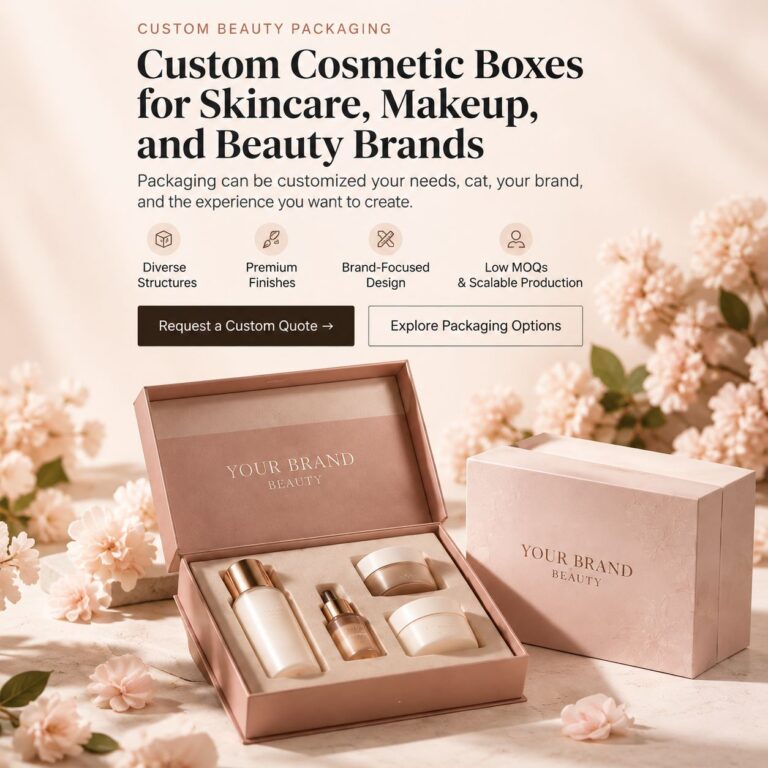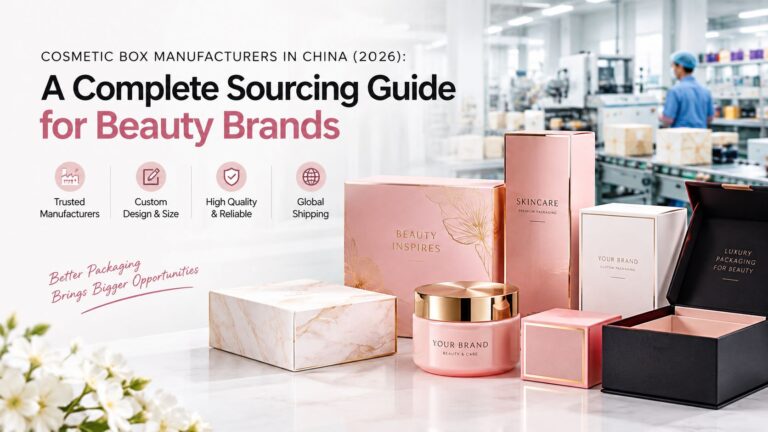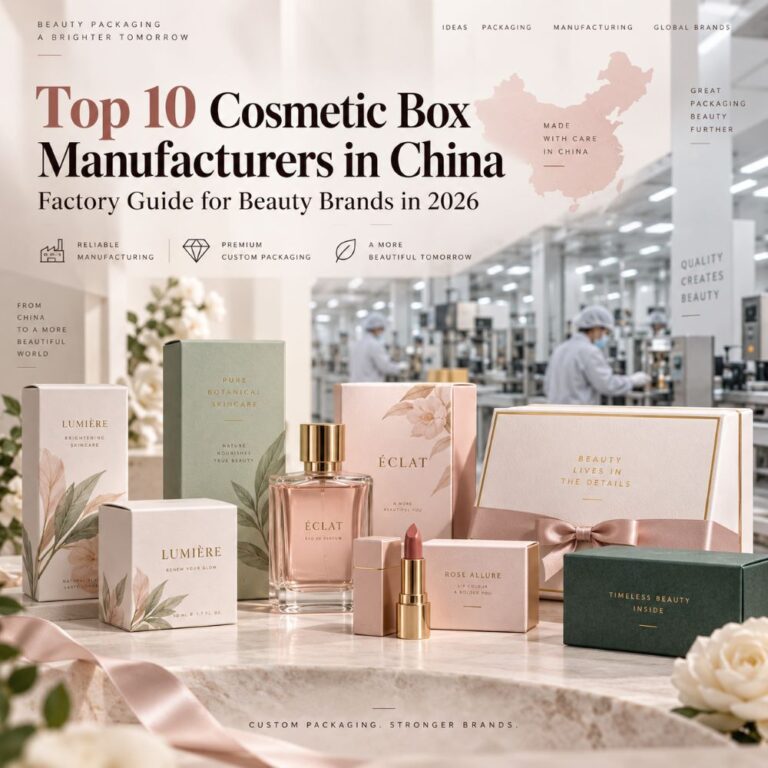
Custom Cosmetic Boxes for Beauty and Skincare Brands

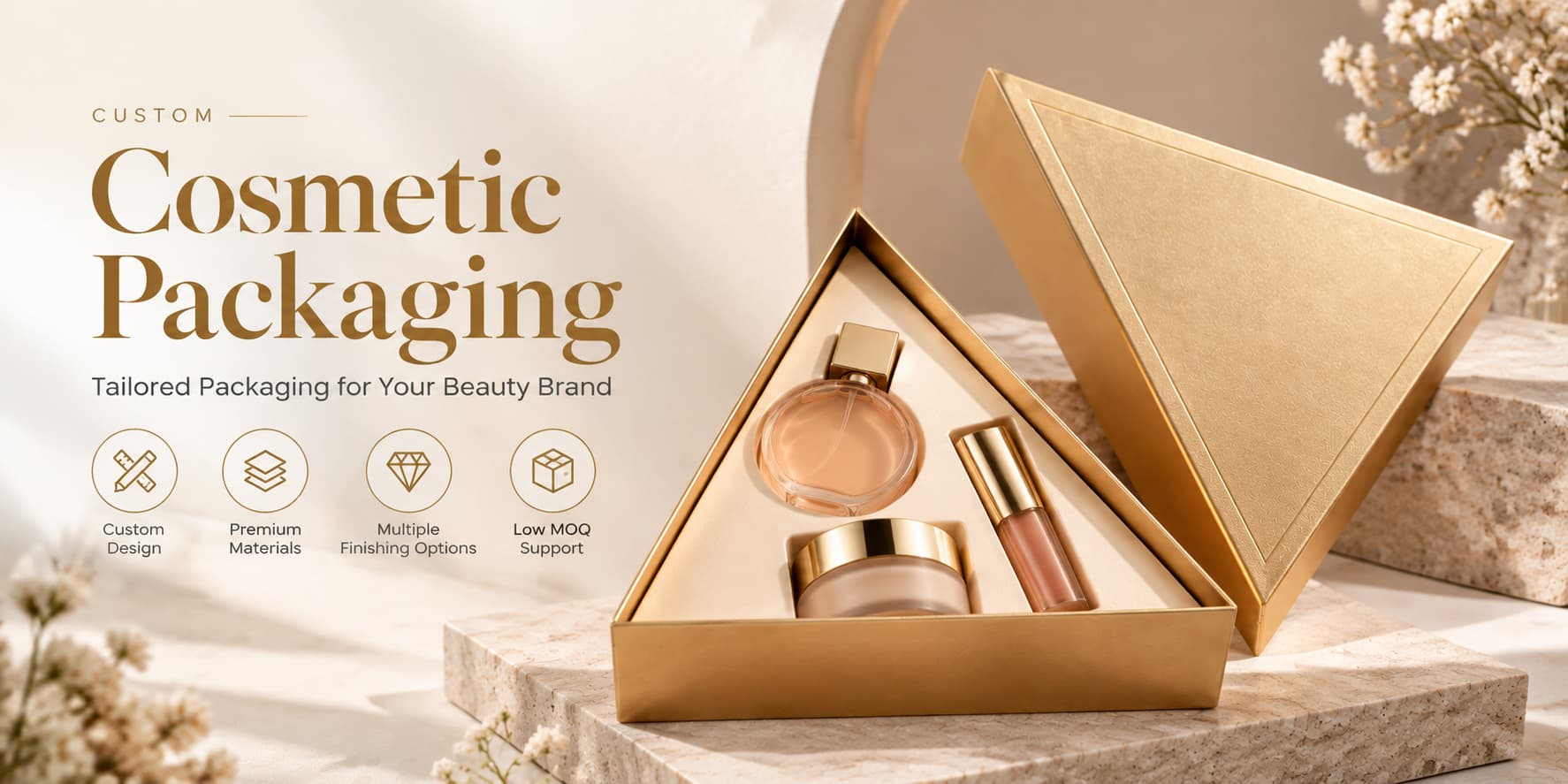
Cosmetic packaging influences how customers perceive a beauty product before they even open it. However, an attractive design is only part of the solution. The box must fit the actual product, accommodate its presentation requirements, and suit the way it will be stored, displayed, or shipped. A serum bottle, lipstick, moisturizer jar, and multi-product skincare set each present different packaging challenges.
Custom cosmetic boxes help beauty brands align product fit, visual identity, and practical packaging requirements in one solution. By selecting an appropriate box structure, material, and internal layout, brands can create packaging that supports their product range without adding unnecessary complexity or cost.
Whether you are launching a new skincare line, updating makeup packaging, or preparing a premium beauty gift set, the right starting point is understanding what your product needs and how the packaging will be used.
1. How Do Custom Cosmetic Boxes Fit Your Product and Brand?
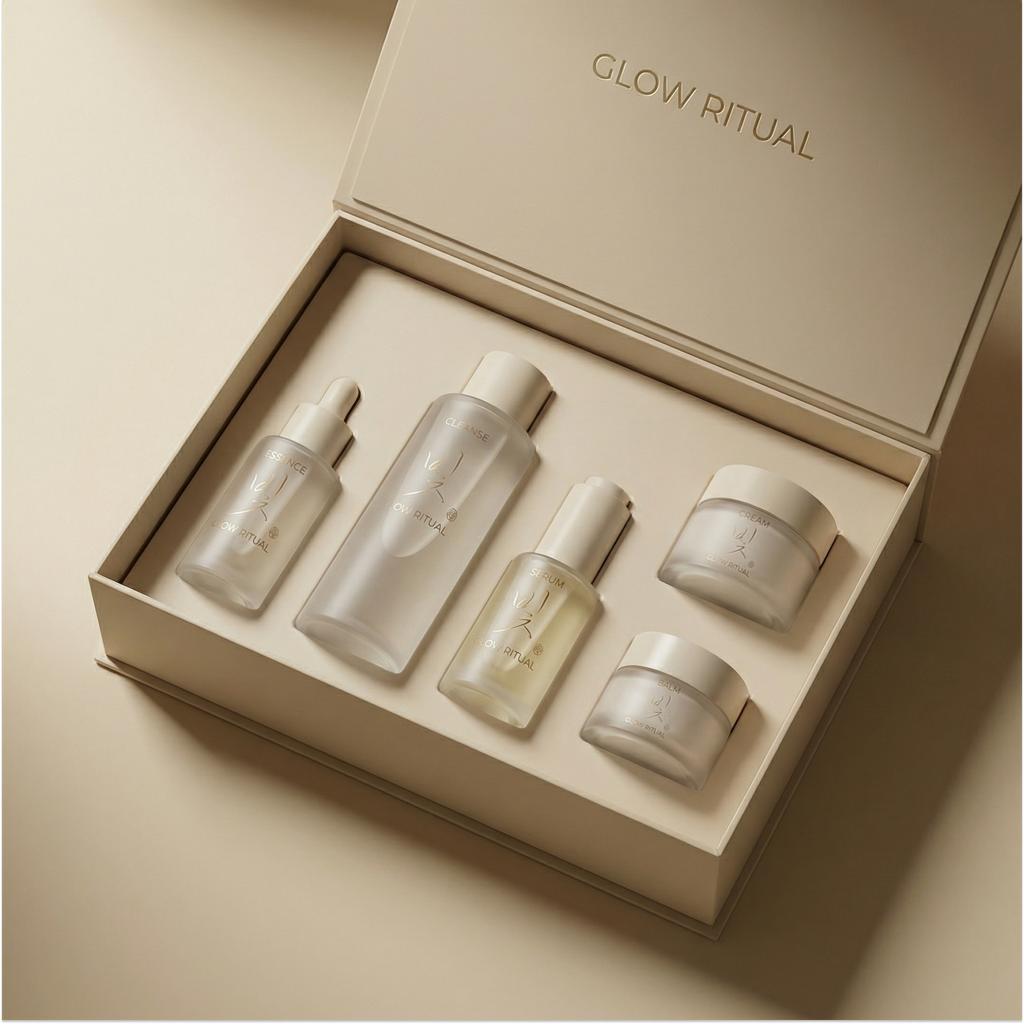
Custom cosmetic boxes are developed around the product’s dimensions, the brand’s visual identity, and the intended sales channel. Instead of choosing a standard package that may not suit the product, brands can evaluate the box structure, materials, and internal layout according to their actual requirements.
Match the Box to Your Cosmetic Product
Product dimensions, weight, container shape, and handling requirements all influence packaging design. A compact lipstick may fit a simple folding carton, while a glass serum bottle may need a more supportive structure. Multi-product sets may require a custom insert to keep each item organized.
Accurate measurements or physical product samples help establish the right dimensions before production begins.
Maintain a Consistent Brand Identity
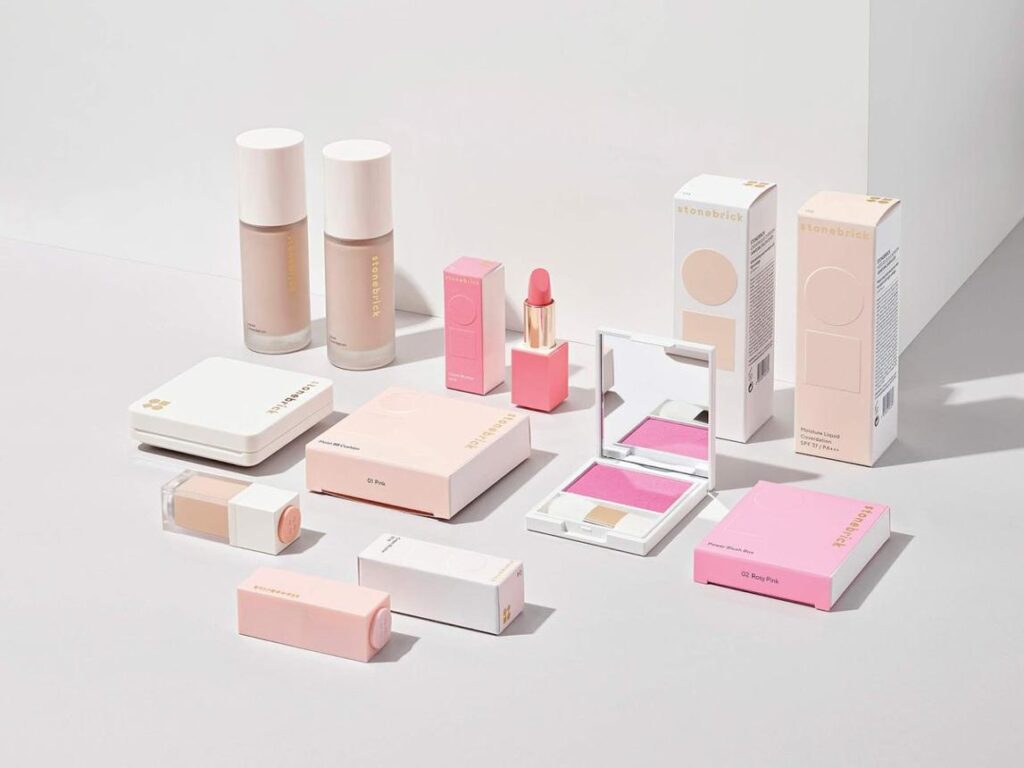
Different products may need different box sizes, but their packaging can share consistent colors, typography, logo placement, and finishing details. This helps skincare and makeup collections look coordinated while allowing each product to retain its own packaging requirements.
Balance Presentation, Protection, and Cost
The most elaborate package is not necessarily the most suitable. Effective cosmetic packaging should present the brand clearly, accommodate the product, and remain practical to manufacture, store, and transport.
Choosing features that serve a clear purpose helps avoid unnecessary complexity while keeping the packaging aligned with the product’s market position.
Discuss Your Custom Cosmetic Box Requirements
LVPACK supports custom paper packaging development based on product and project requirements. Sharing your product dimensions, reference images, preferred box style, and estimated order quantity provides a useful starting point for discussing suitable options.
Contact LVPACK to discuss your custom cosmetic boxes and explore a packaging solution tailored to your product range.
Which Custom Cosmetic Box Designs Work Best for Different Beauty Products?
Different beauty products require different packaging structures. A lipstick carton, a skincare serum box, and a premium beauty gift set have different requirements for product fit, internal support, and presentation. Choosing the right format helps brands meet these needs without adding unnecessary packaging complexity.
Custom cosmetic boxes can be developed in folding carton, rigid box, and multi-product gift box formats to suit different products and sales channels. The right option depends on the product’s dimensions, weight, presentation requirements, and intended distribution method.
Custom Skincare Boxes for Serums, Creams, and Cleansers
Skincare products come in glass bottles, cream jars, tubes, and pump containers. Folding cartons can suit many individual products when their dimensions and material specifications match the product’s requirements.
For heavier or fragile containers, the box structure and internal support need closer attention. The package should accommodate the container appropriately while leaving enough space for product information and practical handling.
For brands selling several skincare products, coordinated artwork can be applied across different carton sizes. This helps maintain a consistent appearance while allowing each product to use a suitable structure.
Custom Makeup Boxes for Lipstick, Foundation, and Palettes
Makeup products vary in shape and size, so their packaging should be developed around the actual item. Lipstick often suits a compact carton, while foundation bottles and makeup palettes may require different dimensions or additional internal support.
For a collection containing several products, a larger box with a custom insert can organize the items and create a coordinated presentation. The insert should be designed around the dimensions of each product rather than using one general compartment size.
Luxury Rigid Cosmetic Boxes for Premium Collections
Rigid cosmetic boxes are often considered for premium skincare sets, limited-edition makeup collections, and promotional gifts. Magnetic closure, drawer-style, book-style, and lid-and-base boxes offer different opening experiences and internal layouts.
| Box structure | Suitable application | Main consideration |
| Folding carton | Individual retail cosmetics | Product fit, printing, and storage |
| Magnetic closure box | Premium beauty sets and gifts | Closure design and internal layout |
| Drawer-style box | Curated product collections | Tray movement and product access |
| Lid-and-base box | Gift sets and premium collections | Dimensions and storage volume |
Rigid boxes can provide a substantial presentation, but they may require more material, assembly, storage space, and shipping volume than folding cartons. The choice should reflect the product’s positioning and practical requirements rather than appearance alone.
Custom Cosmetic Gift Boxes With Inserts
Multi-product gift sets need an internal layout that works with the outer box. A custom insert can arrange bottles, jars, tubes, and accessories in a clear, organized presentation.
The layout should accommodate the actual dimensions and weight of each product. Compartments that are too tight can make items difficult to remove, while excessive clearance may allow unwanted movement. Reviewing the complete set before production helps confirm that the products fit together as intended.
Choosing Cosmetic Packaging for Retail and E-Commerce
Retail packaging should present the brand clearly and fit the intended display environment. E-commerce packaging also needs to account for how the finished box will be packed and protected during transportation.
For products sold through both channels, evaluate the retail box together with the shipping arrangement. The cosmetic box may provide product presentation, while the outer shipping carton supplies additional protection where required.
Find a Suitable Custom Cosmetic Box for Your Product Range
The most suitable structure depends on the product, the number of items in each package, the desired presentation, and the distribution method.
Contact LVPACK to discuss your product range, compare suitable cosmetic box structures, and explore packaging options based on your project requirements.
3. How Does Custom Cosmetic Box Design Turn Your Idea Into Production-Ready Packaging?
Turning a packaging idea into a production-ready box requires more than an attractive design. The structure must fit the product, the artwork must suit the printing method, and the materials must meet the project’s functional and visual requirements. Confirming these details early helps reduce avoidable revisions and makes production requirements clearer.
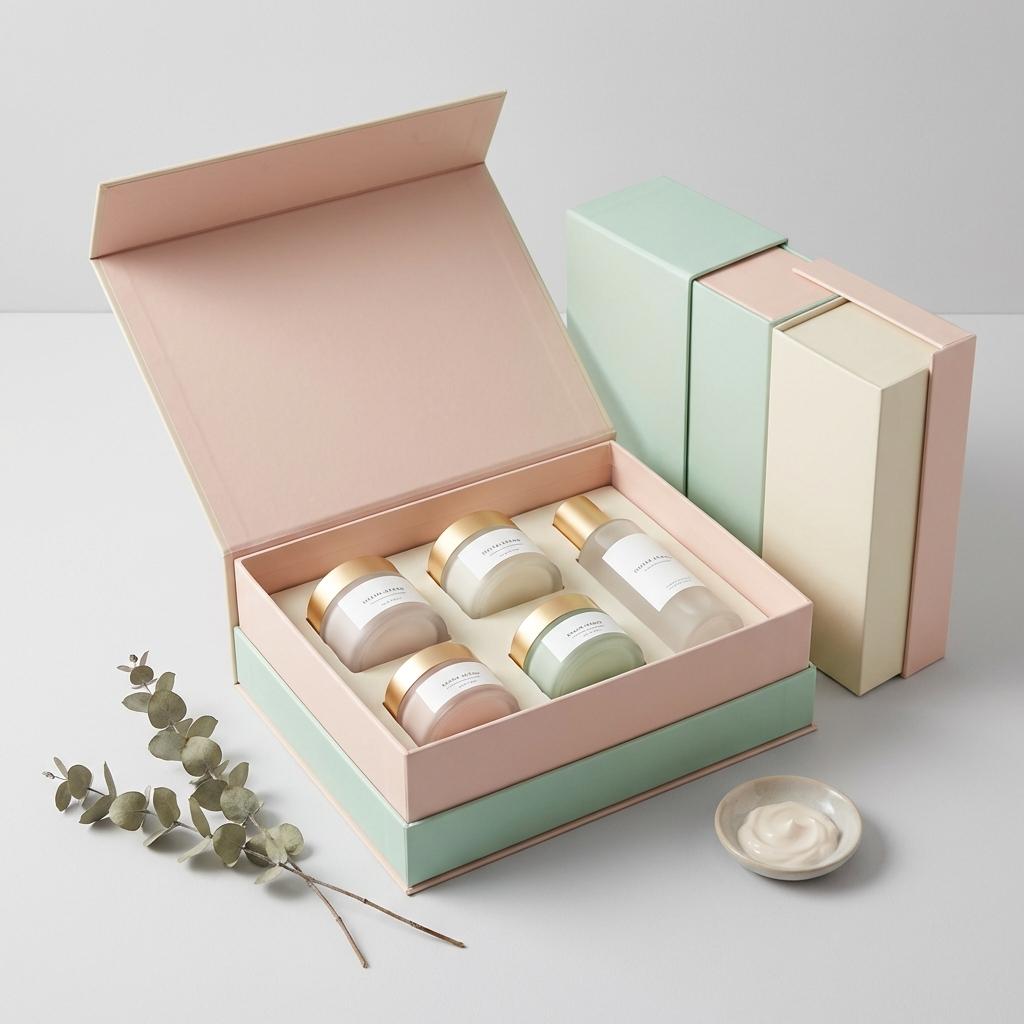
Custom cosmetic box design connects product measurements, structural development, artwork preparation, and sample approval before mass production begins. This process gives beauty brands an opportunity to evaluate the packaging and confirm important specifications before committing to a full order.
H3: Start With Product Dimensions and Design References
The development process begins with understanding the product and the intended packaging result. Product dimensions, reference images, an existing package, or a preliminary design can provide a useful starting point.
Provide the product’s height, width, depth, and weight where available. Container type also matters because a glass serum bottle, a lightweight tube, and a makeup compact may require different levels of support. If the product has an unusual shape or fragile components, explain these requirements before the structure is finalized.
Reference images communicate the desired appearance, but they may not show the actual board thickness, internal dimensions, or assembly method. Accurate measurements or a physical product sample can help clarify these details.
H3: Develop the Structure and Custom Cosmetic Box Insert
Once the product requirements are understood, the outer structure and internal layout can be developed together.
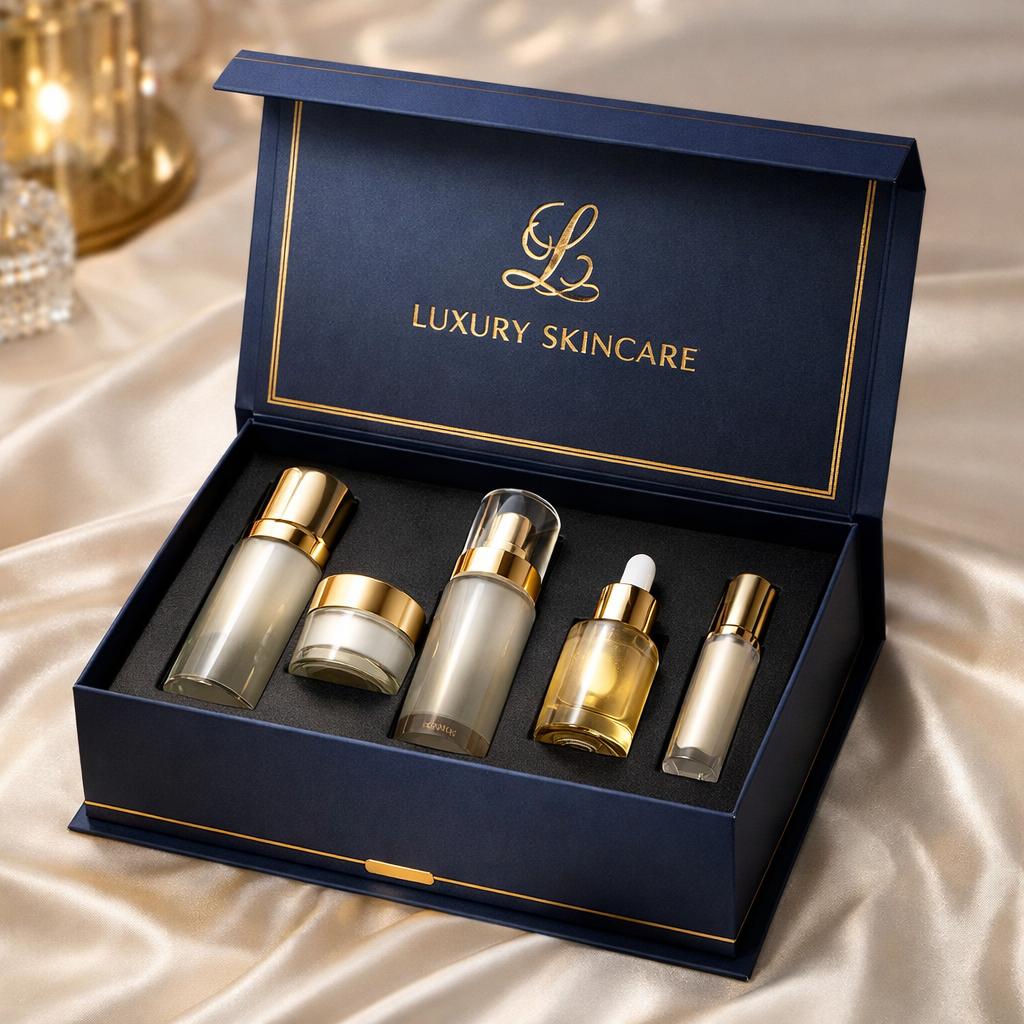
A custom cosmetic box insert should position the product appropriately while allowing convenient removal and practical assembly. A single bottle may need a shaped opening, while a multi-product skincare set may require compartments of different sizes.
The insert and outer box should be evaluated as one complete package. A compartment may fit one product but interfere with another, and insufficient clearance may make items difficult to remove.
| Design element | What to confirm |
| Product dimensions | Height, width, depth, and weight |
| Outer box | Structure, opening method, and finished dimensions |
| Internal insert | Compartment layout, clearance, and product support |
| Materials | Board, wrapping paper, and insert material |
| Artwork | Logo placement, product information, and color references |
Accurate measurements or physical samples help confirm the complete layout before production and reduce the risk of unnecessary structural changes.
H3: Prepare Artwork and Finishing Details
After the structure is established, the artwork must match the actual packaging format. Check logo placement, product information, brand colors, and graphic alignment around folds, joints, and cut lines.
Special finishes such as foil stamping, embossing, debossing, and Spot UV should be clearly identified in the artwork or finishing instructions. The selected paper and surface treatment can influence the final appearance, so a digital preview alone may not be sufficient when color accuracy or decorative effects are important.
Before approval, confirm that the correct artwork version is being used and that all required text and design elements are in place. This is particularly important for brands managing several SKUs with similar packaging but different product information.
H3: Review Samples Before Mass Production
Sampling allows buyers to evaluate the proposed packaging before committing to a full production run. A structural sample can help verify dimensions, assembly, and product fit, while a printed sample may be more useful for assessing artwork and surface finishes.
During sample review, confirm that the product sits correctly, the box opens and closes as intended, and the insert allows convenient removal. Compare the printed design with the approved reference and document any required revisions.
Sample approval should confirm the agreed packaging requirements, not simply whether the box looks attractive. Any changes should be recorded and confirmed before the project proceeds to mass production.
H3: Confirm the Final Specification Before Production
Before manufacturing begins, confirm the approved box structure, dimensions, materials, artwork, finishing, insert design, order quantity, and quality requirements. The production schedule and any required approvals should also be documented.
If the design changes after sample approval, review whether the revision affects cost, timing, or the need for another sample. A clear final specification provides a shared reference for manufacturing, inspection, and future repeat orders.
Discuss Your Custom Cosmetic Box Project With LVPACK
A structured development process helps turn an initial concept into packaging that can be evaluated and manufactured according to agreed requirements.
Contact LVPACK to discuss your custom cosmetic box design, review suitable structural and material options, and determine the next steps for sampling and production.
Which Materials and Finishes Make Custom Cosmetic Boxes More Effective?
Materials and surface finishes influence how cosmetic packaging looks, feels, and performs. The choice affects printed colors, structural suitability, brand presentation, and overall cost. Rather than selecting materials based on appearance alone, brands should consider how each option works with the product, box structure, and intended sales channel.
Effective custom cosmetic boxes combine suitable structural materials, appropriate printing methods, and carefully selected finishes to meet both presentation and practical requirements. The right combination depends on the packaging design, product positioning, and project budget.
H3: Choosing Paperboard, Rigid Greyboard, and Specialty Paper
Paperboard is commonly used for folding cartons for individual skincare and makeup products. It provides a printable surface and can be specified according to the required box dimensions and structural needs.
Rigid greyboard is used as the structural core of many rigid cosmetic boxes. A separate wrapping paper is typically applied to create the finished exterior. Specialty paper offers additional choices in texture, color, and visual character for selected premium packaging applications.
| Material | Common application | Main consideration |
| Paperboard | Individual cosmetic cartons | Print quality, dimensions, and structural suitability |
| Rigid greyboard | Rigid cosmetic and gift boxes | Strength, thickness, and finished dimensions |
| Specialty paper | Premium cartons and rigid box wrapping | Texture, color, and finish compatibility |
The structural material and visible surface material should be specified separately where applicable. For example, a rigid box may use greyboard for its body and specialty paper for its exterior. Reviewing material samples helps confirm the intended texture, color, and appearance before production.
H3: Using Foil Stamping, Embossing, and Spot UV
Finishing techniques can highlight brand elements, create tactile details, or introduce contrast between different areas of the package. Foil stamping creates metallic or specialized decorative effects, embossing raises selected details, and debossing presses details into the surface. Spot UV adds localized gloss to selected printed areas.
These techniques should support the design rather than simply increase the number of decorative effects. A carefully placed foil-stamped logo may provide a clear focal point, while several competing finishes can make the packaging unnecessarily complex.
Before production, specify where each finish should appear and confirm its appearance on a representative sample when required.
H3: Selecting Matte, Gloss, and Textured Finishes
Matte finishes generally create a less reflective appearance and can suit minimalist skincare packaging. Gloss finishes provide more surface reflection and may complement bright graphics or vivid colors. Textured papers add tactile character and can help distinguish premium packaging through material choice.
The final appearance depends on the paper, printing method, coating, and surrounding design elements. Reviewing the selected finish under realistic viewing conditions helps ensure that it supports the intended brand presentation.
H3: Balancing Visual Appeal and Packaging Cost
Additional finishes, complex structures, and decorative details may increase material use or processing requirements. Before adding them, consider whether they improve product presentation, usability, or brand recognition.
A simpler design can still look professional when the dimensions, printing, materials, and finishing work together. The objective is not to remove useful features, but to avoid complexity that does not provide meaningful value.
Discuss Materials and Finishes With LVPACK
The appropriate material and finishing combination depends on your product, box structure, desired appearance, and order requirements. Sharing reference images, preferred finishes, estimated quantity, and product dimensions helps establish a clear starting point.
Contact LVPACK to discuss material options, printing and finishing requirements, and a custom cosmetic box specification for your project.
How Can You Manage Custom Cosmetic Box Costs and MOQ?
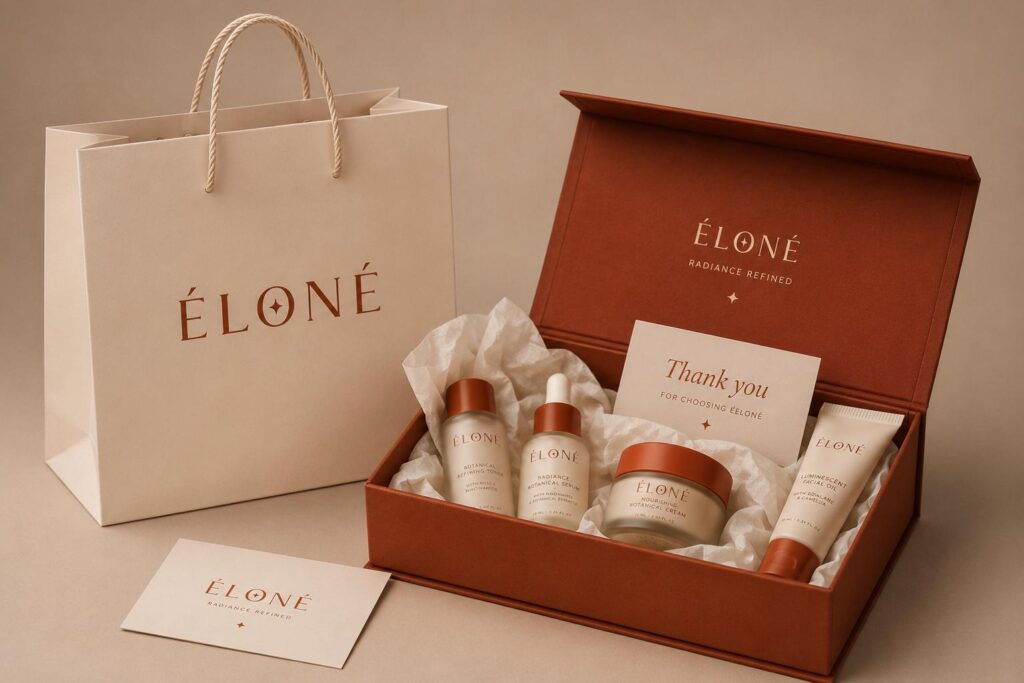
The cost of custom cosmetic boxes depends on more than the price per unit. Box dimensions, materials, structure, printing, finishing, inserts, order quantity, and packing requirements all influence the quotation. A lower unit price may not represent better value if the packaging creates unnecessary assembly work, occupies excessive storage space, or requires repeated design revisions.
The most effective way to manage cosmetic packaging costs is to compare equivalent specifications, understand the main cost drivers, and choose an order quantity that matches expected demand. This allows brands to balance purchasing efficiency with inventory risk.
H3: Understand What Influences Custom Cosmetic Box Prices
Box size affects material consumption and shipping volume. Structure influences manufacturing and assembly requirements, while printing, finishing, and custom inserts can introduce additional production steps.
The quotation should reflect the actual packaging specification. Before comparing suppliers, confirm that the box dimensions, materials, insert design, printing requirements, quantity, and packing method are consistent across quotations.
Ask whether sampling, tooling, special setup, packing, and delivery are included or charged separately. Clarifying these items makes it easier to understand the full project cost.
H3: Determine the Right MOQ for Each Cosmetic Box SKU
Minimum order quantity (MOQ) varies according to the box structure, material, printing method, production setup, and supplier requirements. It should be confirmed for the specific project rather than assumed to be the same for every cosmetic box.
For brands managing several SKUs, clarify whether the MOQ applies to each design, each size, or the combined order. Products may share brand elements while still requiring different dimensions, artwork, or inserts.
A smaller initial order can reduce inventory exposure when demand is uncertain, although the unit price may be higher. A larger order may improve purchasing efficiency when sales forecasts are reliable, but it also requires more working capital and storage space.
H3: Reduce Packaging Costs Without Sacrificing Quality
Review the box dimensions, structure, insert complexity, and finishing requirements before approving the specification. A folding carton may be suitable where a rigid box is not necessary, while a simpler insert may work if it still provides appropriate product support.
Cost reduction should not remove features essential to product fit, usability, or presentation. Instead, focus on changes that reduce unnecessary material use or processing without undermining the package’s purpose.
H3: Compare Supplier Quotations on an Equal Basis
| Quotation item | What to confirm |
| Box structure and dimensions | Same style and measurements |
| Materials and inserts | Equivalent board and component specifications |
| Printing and finishing | Same artwork and decorative requirements |
| Quantity and SKU mix | Equivalent order scope |
| Sampling and setup | Sample type and one-time charges |
| Packing and delivery | Packing method, destination, and delivery terms |
A quotation comparison is only useful when the specifications are comparable. A price that excludes inserts, special finishes, or delivery should not be compared directly with an all-inclusive quotation without accounting for those differences.
Plan Your Custom Cosmetic Box Order With LVPACK
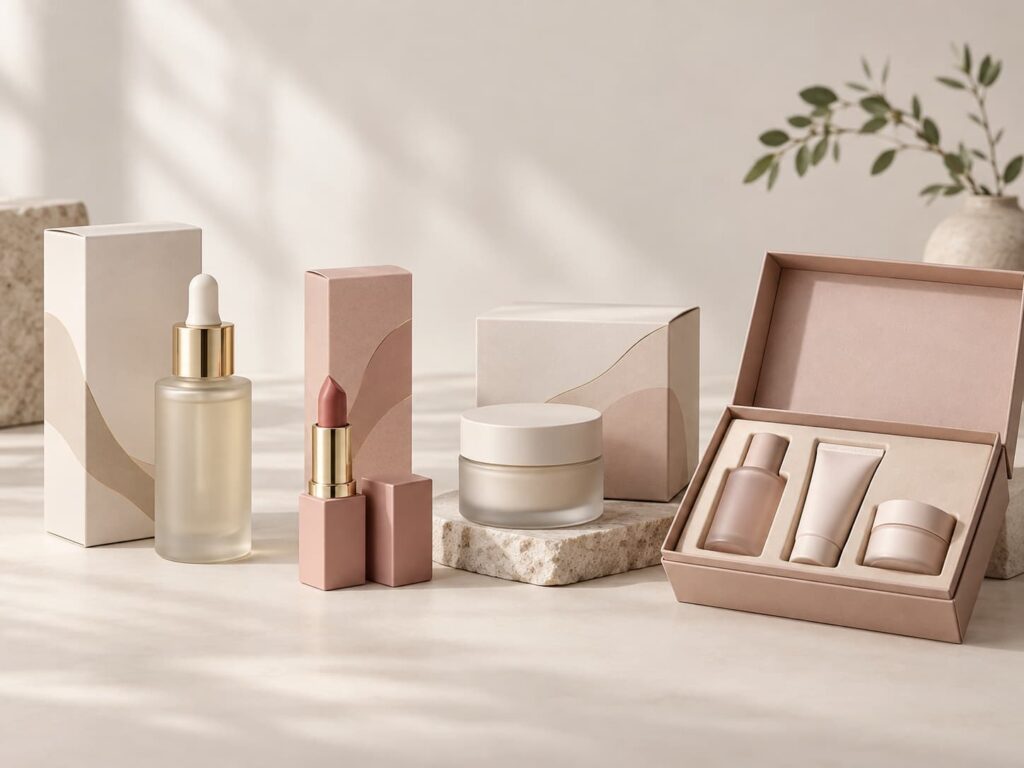
A clear specification and realistic quantity estimate help establish a more useful quotation. Share your box dimensions, preferred structure, artwork, estimated quantity, SKU breakdown, and delivery destination when available.
Contact LVPACK to discuss your custom cosmetic box requirements and evaluate packaging options based on your order quantity, project specifications, and purchasing priorities.
How Can You Maintain Quality and Consistency in Custom Cosmetic Boxes?
A cosmetic box may look correct in a design preview but perform differently when assembled, filled, or handled. Differences in dimensions, printing, materials, and finishing can affect the final result, particularly when a brand orders several SKUs or repeats the same packaging over time.
Consistent cosmetic packaging quality depends on clear specifications, approved samples, and inspection criteria established before mass production. These references help buyers and manufacturers evaluate whether the finished boxes meet the agreed requirements.
Check Product Fit, Structure, and Finishing
Before approving a sample, check whether the product fits correctly and can be inserted and removed without difficulty. Confirm that the box opens and closes as intended, the insert supports the product, and the finished structure matches the approved design.
Printing and finishing should also be reviewed. Check logo placement, text readability, color appearance, and the position of decorative effects against the approved artwork and sample. Where appearance is especially important, keep an approved physical sample as a reference for production.
Define Quality Requirements Before Production
Quality expectations should be documented rather than left to interpretation. Confirm the final dimensions, materials, artwork version, finishing details, quantity, and packing requirements before manufacturing begins.
Agree on the characteristics that matter most to the project, such as product fit, structural integrity, printed information, and surface appearance. If inspection is required, clarify the inspection scope, timing, acceptance criteria, and responsibility for any additional costs.
Inspect Finished Boxes and Packing
Depending on the project, quality checks may include incoming materials, production samples, finished boxes, and packed goods. The appropriate inspection plan depends on the packaging specification and the risks associated with the product.
For fragile cosmetic containers or e-commerce orders, consider the complete packaging arrangement rather than assessing the cosmetic box in isolation. The finished box may need suitable outer-carton protection during storage and transportation.
Maintain Consistency Across Repeat Orders
Repeat orders should follow the same approved specifications unless a change has been agreed. Retain the approved artwork, material details, dimensions, insert design, finishing requirements, and sample reference.
If a material becomes unavailable or a substitution is proposed, review and approve the change before production. This is particularly important for brands managing multiple SKUs, seasonal packaging, or long-term product lines.
Discuss Your Cosmetic Packaging Quality Requirements With LVPACK
Clear specifications and agreed inspection criteria help reduce misunderstandings and make production requirements easier to evaluate.
Contact LVPACK to discuss your custom cosmetic box specifications, sample review requirements, and quality considerations for your next packaging order.
What Information Should You Prepare to Start a Custom Cosmetic Box Project?
A clear enquiry helps a packaging manufacturer understand your requirements and prepare a more relevant quotation. You do not need to finalize every technical detail before making contact. Sharing the information already available can help identify suitable packaging options and clarify which decisions still need to be made.
To start a custom cosmetic box project, prepare your product dimensions, preferred box style, reference images, estimated order quantity, and delivery destination. Artwork, material preferences, finishing requirements, and SKU details can provide additional guidance when available.
Prepare the Essential Product and Packaging Information
Product dimensions and photographs help establish the starting point for packaging development. If you have a physical product sample or an existing box, these can also help clarify the required fit and structure.
Explain how the packaging will be used, whether it is intended for an individual cosmetic product or a multi-product set, and whether particular presentation or handling requirements need to be considered. If the box must accommodate several SKUs, provide the dimensions and estimated quantities for each version where possible.
Clarify the Quotation and Sampling Requirements
Before comparing quotations, confirm the required structure, materials, printing, finishing, insert design, quantity, and packing method. Ask which items are included in the price and whether sampling, tooling, or delivery is quoted separately.
If a sample is needed, clarify what you want to evaluate. A structural sample may be sufficient for checking dimensions and assembly, while a printed sample may be necessary to assess artwork and surface finishes.
Understand the Steps From Enquiry to Production
A typical custom packaging project may involve requirement review, specification clarification, quotation, design development, sampling where needed, approval, production, inspection, and dispatch.
The exact sequence depends on how much of the packaging has already been developed and what needs to be verified. Confirm the expected schedule and approval requirements with the manufacturer rather than assuming a standard lead time applies to every project.
Changes to artwork, dimensions, materials, quantity, or delivery arrangements may affect the quotation and schedule. Documenting important decisions helps keep the project aligned as it progresses.
Start Your Custom Cosmetic Box Project With LVPACK
LVPACK supports custom paper packaging development based on product and project requirements. A clear enquiry provides a useful starting point for discussing the appropriate structure, materials, artwork, and production requirements.
Share your product dimensions, reference images, preferred box style, artwork if available, estimated order quantity, SKU breakdown, and delivery destination.
Contact LVPACK to discuss your custom cosmetic box project and identify the next steps for quotation, sample development, and production planning.
Frequently Asked Questions About Custom Cosmetic Boxes
What Information Is Needed for a Custom Cosmetic Box Quote?
To request a quotation, provide your product dimensions, preferred box style, reference images, estimated order quantity, and delivery destination. Artwork, material preferences, finishing requirements, and SKU details can help clarify the specification. If some details are not finalized, explain which requirements are confirmed and which remain open for discussion.
What Is the MOQ for Custom Cosmetic Boxes?
The minimum order quantity (MOQ) depends on the box structure, materials, printing method, production setup, and supplier requirements. Different designs or sizes may have different minimum quantities. Ask the manufacturer to confirm the MOQ for your specific configuration and whether multiple SKUs can be included in one order.
How Long Does Custom Cosmetic Box Production Take?
The production schedule depends on design readiness, sampling requirements, material availability, order quantity, finishing complexity, and shipping arrangements. Confirm the expected timing for sample development, sample approval, mass production, inspection, and delivery with your manufacturer. A schedule should reflect the actual project requirements rather than an assumed standard lead time.
Can I Request a Sample Before Placing a Bulk Order?
Sampling can help you evaluate dimensions, structure, product fit, printing, and surface finishes before committing to mass production. A structural sample may be sufficient for checking construction, while a printed sample may be needed to assess the complete visual result. Confirm the sample type, cost, and expected timing before proceeding.
Which Materials Are Suitable for Custom Cosmetic Boxes?
Paperboard is commonly used for folding cartons, while rigid greyboard forms the structure of many rigid cosmetic boxes. Specialty papers can provide additional texture and visual options. The appropriate material depends on the product, box structure, desired appearance, printing requirements, and project budget.
Can Cosmetic Boxes Be Customized for Different Product SKUs?
Yes. Related products can share brand colors, typography, logo treatment, and finishing standards while using different dimensions, artwork details, or inserts. When requesting a quotation, provide the number of SKUs, required quantities, and any differences in packaging specifications so that each version can be evaluated accurately.
Are Custom Cosmetic Boxes Suitable for E-Commerce Orders?
Custom cosmetic boxes can be used for e-commerce products, but the complete shipping arrangement should also be considered. Depending on the product and transportation conditions, an outer shipping carton or additional protective packaging may be necessary. Evaluate the retail box and shipping protection together to determine a suitable solution.
How Can I Maintain Consistent Quality on Repeat Orders?
Retain the approved sample, artwork files, material specifications, dimensions, insert design, and finishing instructions. Before each repeat order, confirm that the manufacturer is working from the correct specification. Any proposed material substitutions or design changes should be reviewed and approved before production.
How Do I Start a Custom Cosmetic Box Project With LVPACK?
Prepare your product dimensions, reference images, preferred box style, artwork if available, estimated order quantity, SKU breakdown, and delivery destination. These details provide a starting point for discussing the packaging structure, material options, quotation requirements, and sampling needs.
Contact LVPACK to discuss your custom cosmetic box project and explore a packaging solution suited to your products and purchasing requirements.