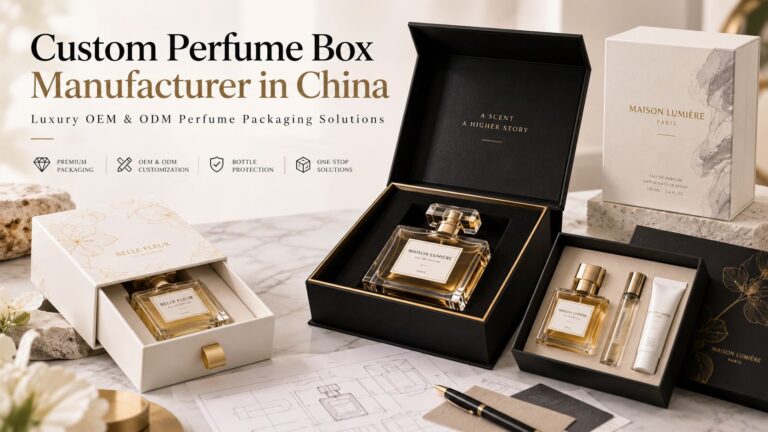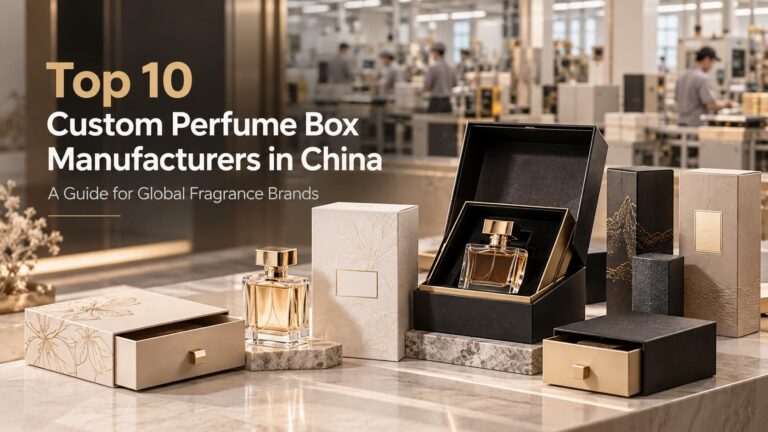
Custom Perfume Boxes Manufacturer for Luxury Fragrance Brands

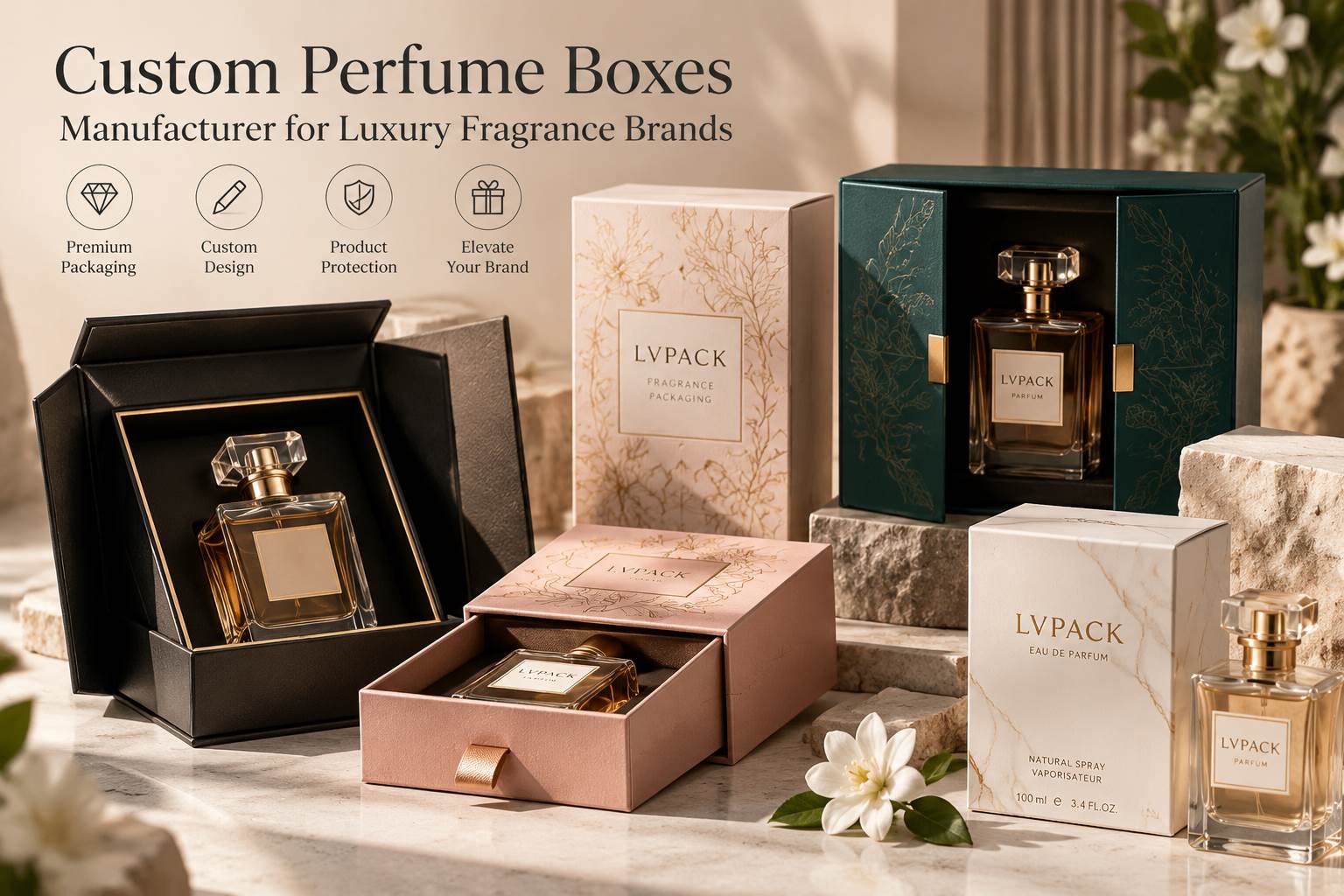
Custom Perfume Boxes Manufacturer for Luxury Fragrance Brands
Perfume packaging plays an important role in how a fragrance is presented, protected, and remembered. Before customers experience the scent itself, they see the bottle, the box, and the details that communicate the brand’s identity. For fragrance businesses, packaging must therefore do more than look attractive. It needs to fit the bottle correctly, support the intended retail experience, protect the product during handling, and remain practical to manufacture at the required quantity.
Custom perfume boxes offer flexibility in structure, materials, printing, finishing, and internal layout. A brand may choose a folding carton for a retail fragrance, a rigid magnetic box for a premium collection, or a double-door presentation box for a special gift set. The right solution depends on the product dimensions, target market, budget, distribution channel, and desired unboxing experience.
LVPACK provides custom packaging solutions for projects that require a tailored approach to box structure, appearance, and product presentation. By considering the bottle, packaging materials, internal support, and finishing requirements together, fragrance brands can develop packaging that reflects their identity while addressing practical production needs.
Whether you are preparing a new fragrance launch, refreshing an existing collection, or developing a coordinated gift set, choosing the right packaging structure is a useful first step toward a successful project.
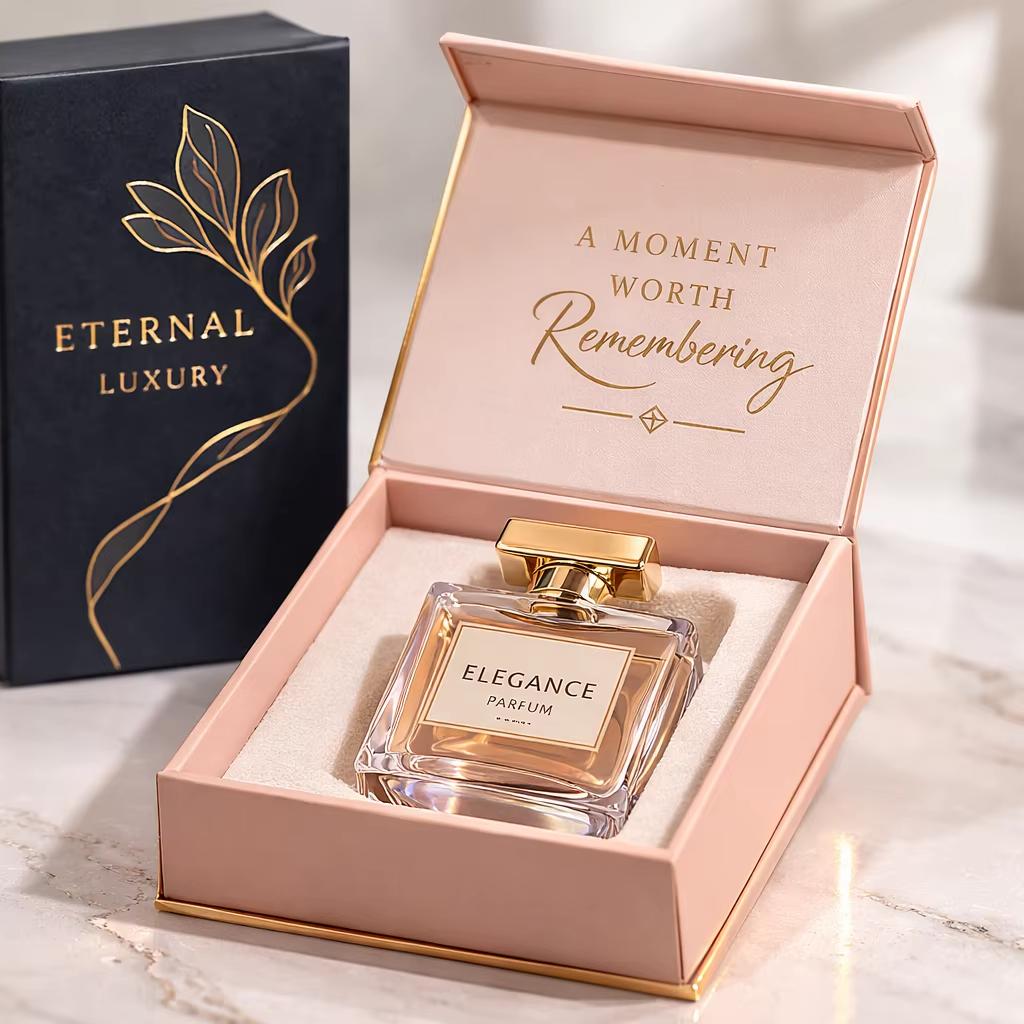
Custom Perfume Boxes in Different Styles for Luxury Fragrance Brands
The structure of a perfume box influences its appearance, opening experience, storage requirements, and production cost. Before choosing decorative finishes, consider how the packaging will hold the bottle, how customers will open it, and where the finished product will be sold.
Rigid Perfume Boxes for Premium Fragrance Packaging
Rigid perfume boxes are commonly used for premium fragrances, luxury gift sets, and special-edition products. Their firm construction provides a substantial feel and a suitable base for specialty papers, foil-stamped logos, embossing, and custom inserts.
Unlike conventional folding cartons, rigid boxes are generally made from thick paperboard wrapped with printed or decorative paper. The final appearance depends on the board construction, wrapping accuracy, corner finishing, and the quality of the lid and base assembly.
Rigid boxes are particularly suitable for niche fragrance collections, premium eau de parfum, glass bottle gift sets, and products that require a more substantial presentation. They also provide room for carefully arranged accessories or coordinated products.
When developing a rigid perfume box, start with the actual bottle dimensions rather than selecting a box based only on its external appearance. The internal space must accommodate the bottle, cap, and insert without excessive movement or unnecessary pressure on delicate components.
For brands planning repeat orders, the approved sample should establish the construction, dimensions, materials, and finishing details used for production.
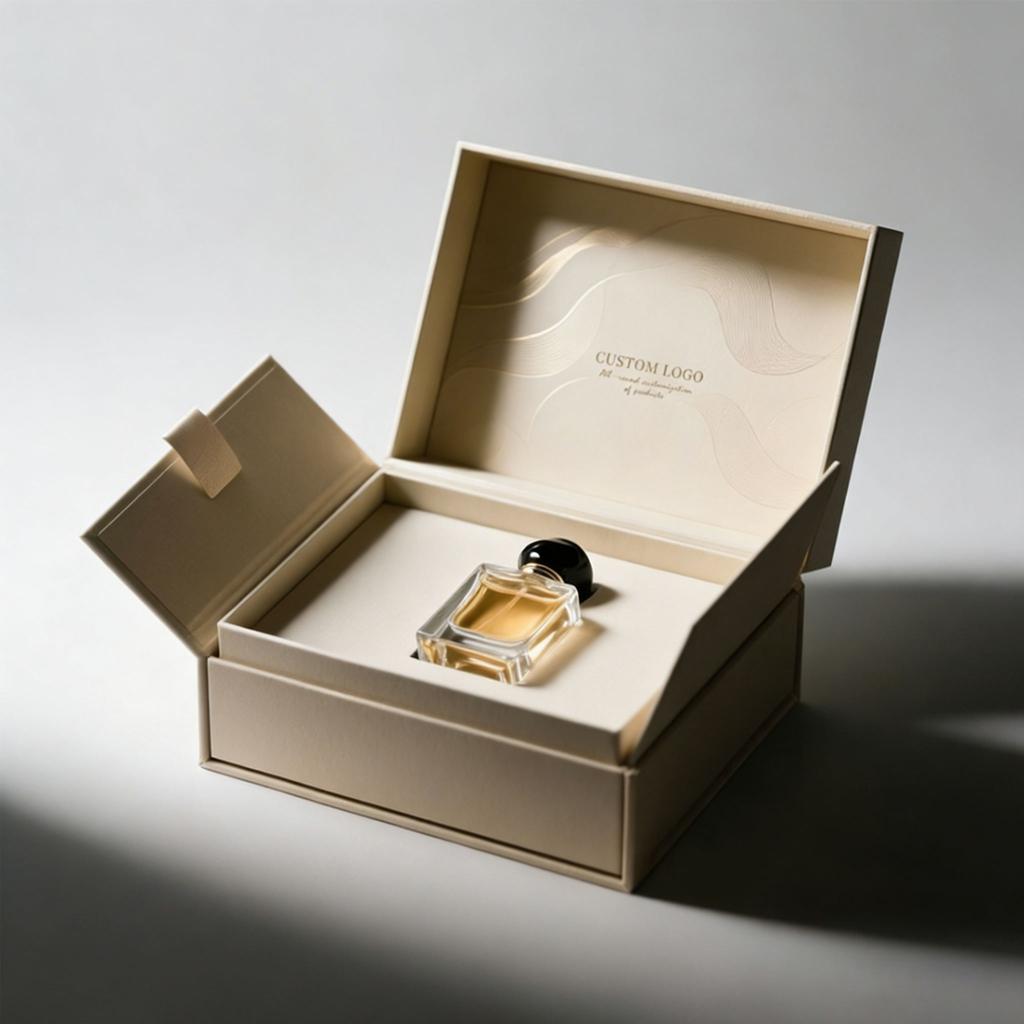
Magnetic Closure Perfume Gift Boxes
Magnetic closure perfume boxes combine a clean exterior with a convenient opening experience. Hidden magnets help keep the lid closed, while the outer surfaces provide space for branding, product information, and decorative finishes.
This structure can work well for fragrance gift sets, premium launches, and coordinated packaging collections. It is also suitable for projects where the packaging needs to feel refined without relying on an unusually complicated exterior design.
When specifying a magnetic perfume box, consider the positioning of the magnets, lid alignment, wrapping material, and insert configuration. The box should close securely without making it unnecessarily difficult to open.
A magnetic structure is not automatically the right choice for every product. Its material and assembly requirements should be weighed against the target budget, order quantity, and desired customer experience. For brands exploring this style, custom magnetic perfume boxes can be developed around the bottle dimensions, branding requirements, and preferred opening experience.
Drawer-Style Perfume Boxes for Discovery Sets
Drawer-style perfume boxes use a sliding inner tray and an outer sleeve. The structure creates a gradual reveal when opened and provides an organized way to present a fragrance bottle, sample vials, or related accessories.
For discovery sets, the internal tray can be designed with separate compartments to keep individual items in position. For a single perfume bottle, the same concept can create a distinctive presentation compared with a conventional carton.
Important design considerations include the tray’s sliding resistance, the clearance between the inner and outer components, the insert fit, and the space available for branding.
If the tray is too tight, customers may struggle to open the box. If it is too loose, the packaging may feel less secure during handling. These details should be evaluated during physical sampling rather than judged from a digital rendering alone.
Double-Door Perfume Boxes for Premium Gift Sets
Double-door perfume boxes open from the center to reveal the product inside. This structure creates a wider presentation area and can accommodate a fragrance bottle, accessories, and a coordinated insert.
It is particularly relevant to premium gift collections and special packaging projects where the opening experience contributes to the product’s perceived value.
A double-door box requires careful attention to the alignment of both doors, the closing mechanism, the central gap, and the insert layout. Decorative finishes should also be positioned so that logos and patterns remain balanced when the box is opened and closed.
Because this structure involves more components than a simple carton, it should be evaluated against the intended production quantity and assembly requirements. The aim is to achieve a distinctive presentation without adding complexity that does not contribute meaningful value.
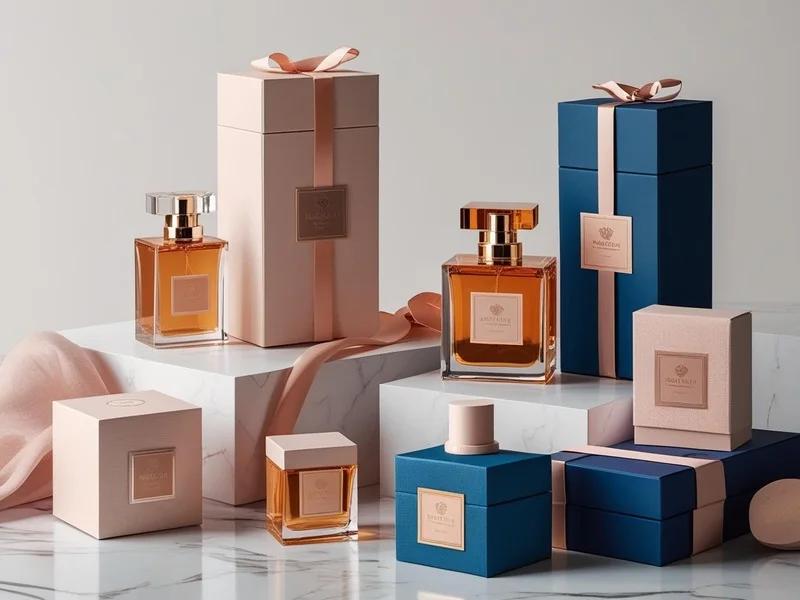
Folding Perfume Boxes for Retail and Distribution
Folding perfume boxes are commonly used for retail fragrance products that require printed branding, efficient storage, and practical distribution. They are generally shipped flat before assembly, which can help reduce storage and transportation volume.
Depending on the design, a folding carton can include tuck flaps, locking tabs, internal supports, or a separately developed insert. The correct configuration depends on the bottle’s weight, the required presentation, and the protection needed during handling and transport.
Folding cartons can be a practical choice for established fragrance lines, product extensions, and projects where packaging efficiency is a priority. However, the board grade and internal support must be appropriate for the bottle. An attractive carton is not sufficient if the bottle moves excessively or the structure deforms under normal handling.
Custom Perfume Box Materials, Printing and Premium Finishing Techniques
Materials and finishing techniques influence the visual character, tactile experience, durability, and cost of custom perfume boxes. The right combination depends on the box structure, artwork, intended retail environment, and budget.
Paperboard and Specialty Paper Options
Paperboard provides the structural base for many perfume packaging formats. The required specification depends on the box construction, dimensions, product weight, and expected handling conditions.
Specialty papers can introduce different textures, colors, and surface effects. Smooth paper may suit a minimal design, while textured or metallic paper can create a more distinctive presentation. Printed wrapping paper also allows brands to incorporate specific colors, graphics, and visual elements.
When selecting materials, consider how the paper will interact with the chosen printing and finishing processes. A surface that looks attractive in a material sample may behave differently after wrapping, creasing, or applying decorative details.
The material should also be evaluated as part of the complete box rather than in isolation. Paper appearance, board thickness, edge finishing, and insert fit all contribute to the finished product.
Custom Logo Printing and Decorative Finishes
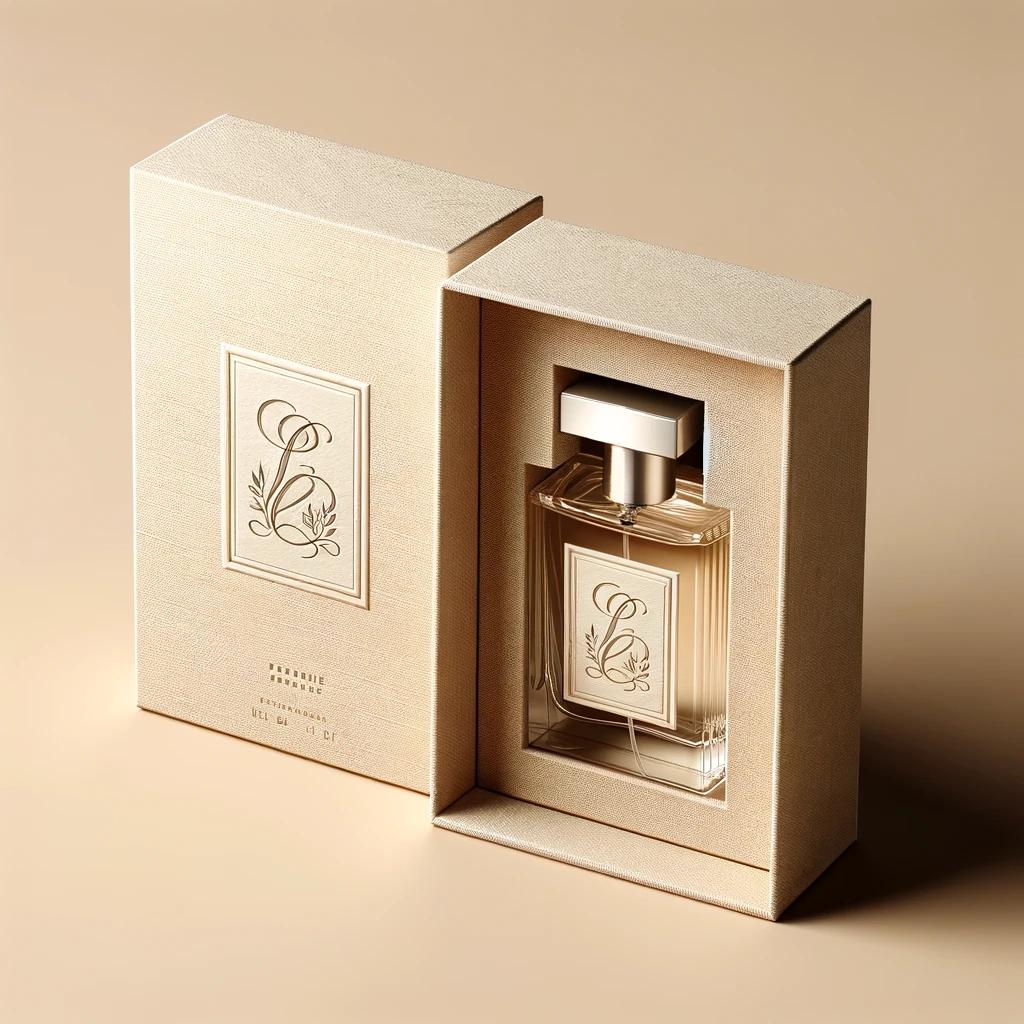
Logo treatment is one of the most visible elements of branded fragrance packaging. Depending on the artwork and material, possible options may include foil stamping, embossing, debossing, offset printing, screen printing, or spot UV.
Foil stamping uses heat and pressure to transfer foil onto selected areas of the surface. Gold and silver are common choices, while other foil colors can support different brand identities. Embossing raises selected elements above the surface, while debossing presses them into the material.
Spot UV applies a localized coating to selected design elements, creating contrast between treated and untreated areas. It can be used to highlight a logo or pattern on an otherwise matte surface.
The most suitable finish depends on the artwork, substrate, required appearance, and available production processes. Fine lettering, small symbols, and intricate patterns should be reviewed carefully before production.
For a coherent result, avoid combining decorative techniques without a clear purpose. A carefully positioned logo and a suitable paper texture may communicate the brand more effectively than several competing finishes.
Matte, Gloss and Soft-Touch Finishes
Matte finishes create a subdued appearance, while gloss finishes provide a more reflective surface. Soft-touch lamination adds a smoother, velvety feel that may suit premium fragrance packaging.
The final result depends on the paper, coating, artwork, and interaction between different processes. Fingerprints, scuffing, color appearance, and surface consistency should be considered when selecting a finish.
Where appearance is particularly important, reviewing a physical sample can help confirm whether the material and finish match the intended design.
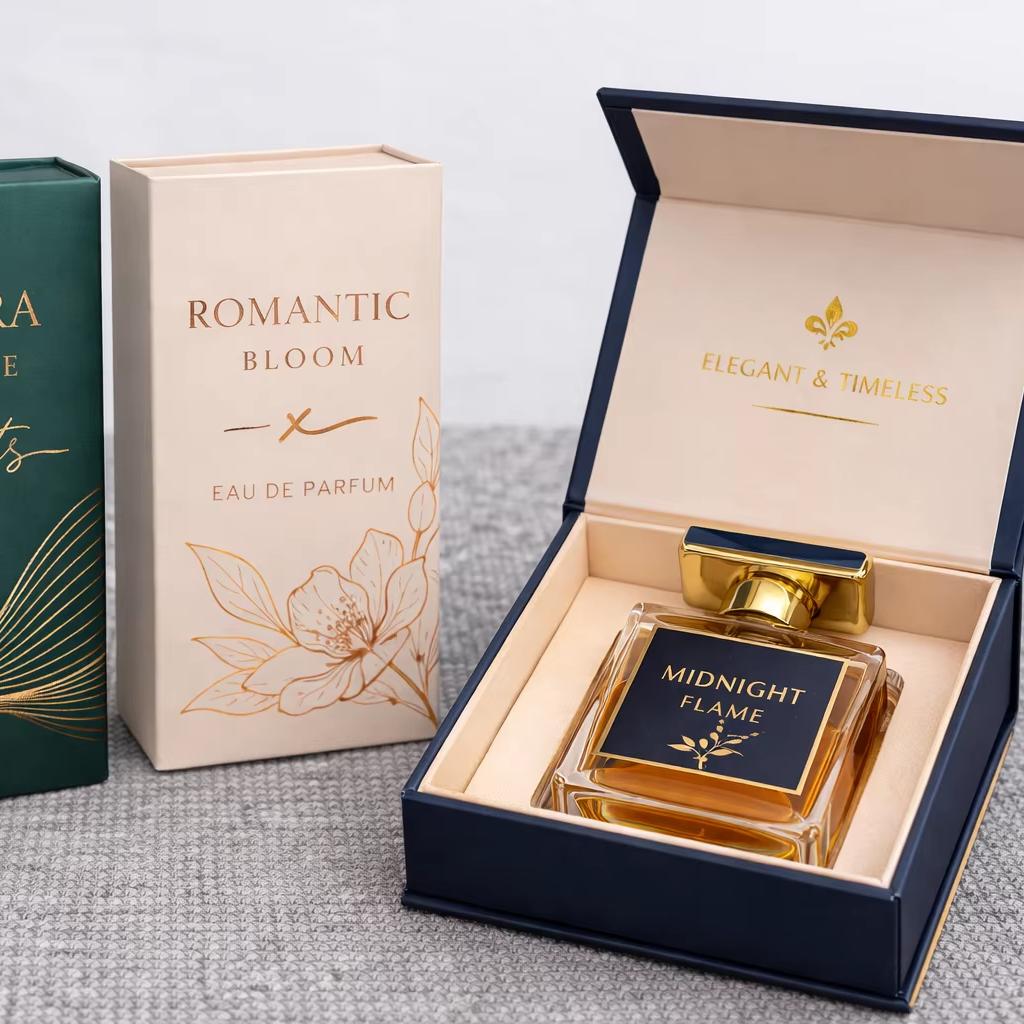
Custom Perfume Box Inserts for Secure Bottle Fit and Product Protection
The insert is as important as the outer box. It holds the fragrance bottle in position, helps protect it during handling, and influences how the product is revealed when the packaging is opened.
A custom insert should be developed around the bottle’s actual dimensions, shape, weight, cap, and presentation requirements. The design should allow the bottle to sit securely without excessive movement while remaining practical for the customer to remove.
Choosing an Insert Material
Possible insert materials include paperboard, EVA foam, and other suitable materials selected according to the product and project requirements.
Paperboard inserts can provide an organized presentation and may suit packaging projects that prioritize a paper-based construction. Foam inserts can be shaped around particular bottle profiles and may be appropriate when additional support or a specific visual presentation is required.
Material selection should consider the bottle’s weight, shape, protection requirements, appearance, and sustainability goals. No single insert material is ideal for every fragrance product.
Designing Around Bottle and Cap Dimensions
A perfume bottle’s overall height is only one part of the measurement process. The bottle body, shoulders, widest points, cap dimensions, and overall shape all affect the insert design.
An insert that is too loose may allow the bottle to move during handling. An insert that is too tight may make removal difficult or place unwanted pressure on the bottle or cap.
For gift sets containing multiple products, each compartment should be designed around the relevant item’s dimensions. The layout should also allow sufficient space for any accompanying accessories without compromising the fit of the main bottle.
Checking Fit Before Production
Physical sampling provides an opportunity to evaluate the bottle fit, insert depth, cap clearance, and ease of removal. It also allows the brand to review how the insert looks when the box is opened.
If the bottle or cap changes during product development, the packaging dimensions may need to be reviewed. Confirming the final product specifications before approving the sample helps reduce avoidable changes later.
Custom Perfume Packaging Design and Sample Development Process
A successful packaging project begins with clear product information and a shared understanding of the intended result. A reference image can help communicate the visual direction, but accurate dimensions and material requirements are also important for developing a practical solution.
Step 1: Share Your Bottle Dimensions and Design References
Start by providing the bottle dimensions, cap measurements, reference images, existing packaging samples, or artwork files that are available.
If the final design is not yet complete, initial sketches or examples of preferred box styles can still help establish the direction of the project.
It is also useful to explain the intended market, sales channel, target quantity, and any special requirements for the opening experience or product presentation.
Step 2: Develop the Box Structure and Insert
The box structure should be selected according to the product, desired presentation, material preferences, and budget. At this stage, the internal insert should be considered alongside the outer box rather than treated as a separate detail at the end.
The development process may involve reviewing dimensions, component arrangement, opening mechanisms, and the space needed for branding. For more elaborate gift sets, the position of each bottle and accessory should be planned before the final layout is approved.
Step 3: Review Materials and Finishing Options
Once the structure is established, the materials and finishing options can be assessed against the design and production requirements.
Important considerations include paper appearance, logo placement, color reproduction, surface treatment, and the compatibility of different processes. Selecting finishes as part of the complete design helps maintain a consistent appearance.
Step 4: Approve the Physical Sample
A physical sample allows the brand to assess the packaging beyond what can be seen in a digital rendering. It provides an opportunity to check dimensions, structure, opening function, insert fit, and overall appearance.
Any required changes should be recorded before the sample is approved. The final specifications should clearly identify the agreed structure, materials, dimensions, artwork, and finishing details.
Step 5: Confirm Production Requirements
Before mass production, confirm the approved specifications, order quantity, packaging configuration, and delivery requirements. Clear documentation helps align the approved sample with the intended production order.
The sampling and production schedule should be discussed according to the project’s complexity, materials, quantity, and approval process.
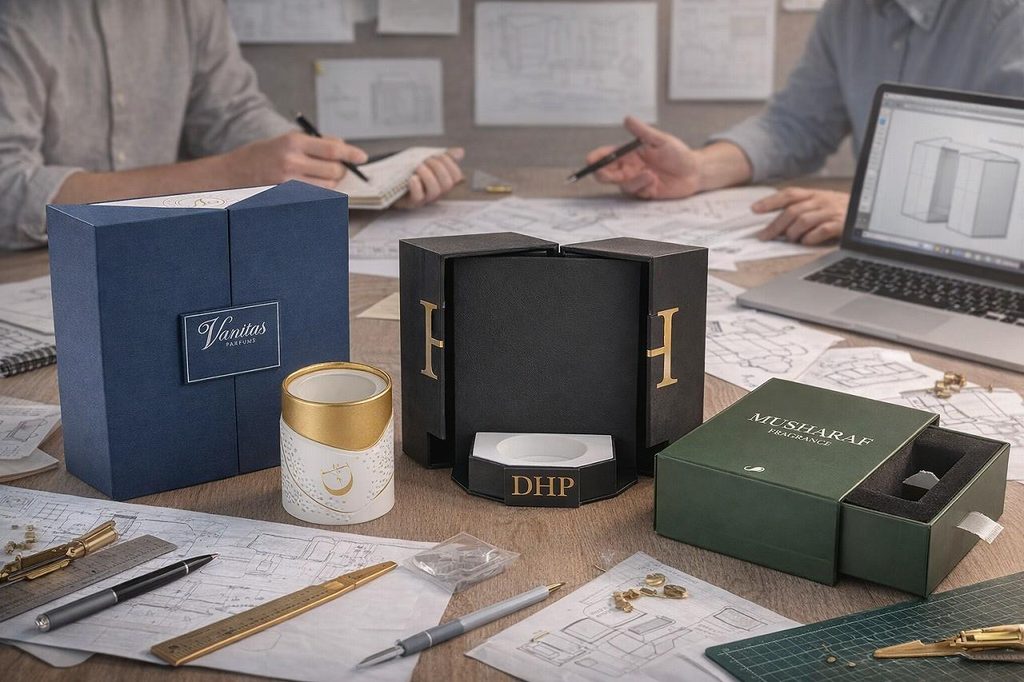
Custom Perfume Box Manufacturing and Bulk Production Quality Control
Consistent production depends on clear specifications and appropriate checks throughout the manufacturing process. For fragrance brands, the most important areas often include material appearance, printed details, box dimensions, structural assembly, and insert fit.
Material and Printing Checks
Materials should be checked against the agreed specifications. Printed elements, brand colors, and decorative details should be reviewed to identify visible inconsistencies before the packaging moves further through production.
Where a particular color or finish is important to brand identity, the approved sample provides a useful reference for evaluating the finished boxes.
Structural and Dimensional Checks
The dimensions of the box and its components influence the fit, opening function, and overall presentation. Checks should consider the lid or closure, alignment of the box components, and the space available for the bottle and insert.
For drawer-style boxes, the sliding function should be reviewed. For magnetic boxes, attention should be given to lid alignment and closure. For double-door structures, both doors should meet and open as intended.
Surface Finish and Assembly Inspection
Foil stamping, embossing, coatings, wrapping, and other decorative processes should be reviewed according to the approved design. The finished box should also be checked for visible assembly issues that could affect its appearance or usability.
Inspection requirements should be agreed according to the product specification and order requirements rather than relying on vague quality claims.
Finished-Box and Packing Checks
Before shipment, finished packaging should be checked against the agreed requirements. Packing arrangements should also consider the box structure, surface finish, and protection needed during transportation.
A clearly approved sample, documented specifications, and consistent inspection procedures provide a practical foundation for managing repeat orders.
Custom Perfume Box Price, MOQ and Production Lead Time
The price of a custom perfume box depends on more than its external dimensions. Structure, materials, decorative processes, insert design, order quantity, and production requirements all influence the final quotation.
What Determines the Cost of a Custom Perfume Box?
The main cost factors generally include:
Box structure and overall dimensions.
Paperboard specification and wrapping materials.
Printing, foil stamping, embossing, and other finishes.
Insert material, layout, and complexity.
Order quantity and assembly requirements.
Sampling, tooling, packing, and delivery arrangements where applicable.
A rigid gift box with a fitted insert and multiple decorative finishes may require more material and assembly work than a simple folding carton. However, the right comparison should consider the complete packaging requirement rather than price alone.
How Does Order Quantity Affect Pricing?
Order quantity influences material purchasing, production planning, setup requirements, and unit cost. Larger orders may distribute certain setup costs across more units, but the actual result depends on the structure and manufacturing process.
A suitable order quantity should be based on expected demand, storage capacity, product launch plans, and the cost of maintaining packaging inventory.
What Is the Minimum Order Quantity?
The minimum order quantity for custom perfume boxes depends on the selected structure, materials, finishing requirements, and production arrangements. There is no single MOQ that applies to every packaging project.
When requesting a quotation, provide the expected quantity and any plans for repeat orders. This helps the packaging team evaluate a suitable production approach.
How Long Do Sampling and Mass Production Take?
Sampling and mass production schedules depend on the complexity of the design, availability of materials, number of revisions, order quantity, and approval timing.
Projects involving specialized structures, custom inserts, or multiple finishing processes may require additional development and coordination. The expected schedule should be confirmed after the main requirements are understood.
To obtain a meaningful quotation, provide the box dimensions or bottle measurements, preferred structure, material and finishing preferences, target quantity, and required delivery date.
OEM and ODM Custom Perfume Packaging for Fragrance Brands
Different fragrance businesses enter packaging projects at different stages. Some already have completed artwork and detailed specifications, while others need support in developing a suitable structure from an initial concept.
OEM packaging projects typically follow the customer’s existing design and specifications. ODM projects may involve more development work around the structure, presentation, and packaging configuration, depending on the services available for the project.
Packaging Based on Your Existing Design
If your brand already has a packaging design, provide the artwork, dimensions, material requirements, and reference samples where available.
The packaging can then be evaluated against the bottle dimensions, intended construction, and production requirements. Any limitations or necessary adjustments should be discussed before the sample is finalized.
Structural Development for New Fragrance Products
For a new product launch, the packaging structure may need to be developed alongside the bottle and branding decisions. Bottle measurements, cap clearance, insert layout, and opening function should be considered together.
An early discussion of these details can help identify practical design options before the project moves into detailed sampling.
Custom Logo, Dimensions and Packaging Accessories
Brand-specific packaging may involve custom dimensions, printed artwork, decorative finishes, internal supports, and coordinated accessories.
The available options should be evaluated according to the project requirements, material suitability, and production feasibility. The aim is to create packaging that supports the brand identity without introducing unnecessary complexity.
Custom Perfume Box Solutions for New Product Launches and Brand Extensions
A new fragrance launch and an established product line may require different packaging priorities. A launch may focus on creating a distinctive first impression, while an existing range may need consistent packaging across several fragrances and repeat orders.
Packaging for New Product Launches
New fragrance projects often involve evolving bottle designs, branding decisions, and product positioning. During packaging development, it is useful to confirm the bottle dimensions, preferred structure, visual direction, and target budget as early as possible.
The physical sample can then be used to assess the fit and appearance before the packaging specification is finalized.
Packaging for Existing Product Collections
For an established collection, consistency across products and repeat orders becomes particularly important. Differences in bottle dimensions, cap styles, or product sizes may require variations in the internal insert or box dimensions.
Where several products share a common brand identity, coordinated materials, colors, and logo treatments can help create a consistent presentation while allowing each product to retain its own packaging configuration.
Packaging for Fragrance Gift Sets
Gift sets may contain a perfume bottle, sample vials, or additional accessories. The packaging needs to accommodate the complete set while keeping the arrangement organized and visually balanced.
The internal layout should be planned around the exact items included in the set. This helps ensure that the box is practical to assemble and that each product is presented as intended.
Request a Quote for Custom Perfume Boxes from LVPACK
Developing the right packaging begins with understanding the product and the brand’s requirements. Whether you need a rigid perfume box, magnetic gift box, drawer-style presentation, double-door structure, or folding carton, the packaging should be evaluated against the bottle dimensions, presentation goals, and target order quantity.
To start your project, prepare the following information:
Bottle dimensions, including the cap.
Preferred box structure or reference images.
Logo artwork and branding requirements.
Material and finishing preferences, if known.
Estimated order quantity.
Required delivery date and destination.
If you do not have a finalized design, initial product images and a description of your requirements can still help begin the discussion.
LVPACK can review the available project information and discuss the next steps for packaging development, sampling, and quotation according to the project’s requirements.
Contact LVPACK to discuss a custom perfume box solution for your fragrance brand.
Custom Perfume Box FAQs: Samples, Materials, MOQ and Production
Can I customize the size and structure of my perfume box?
Yes, custom packaging can be developed around the product dimensions and presentation requirements, subject to the selected structure and production feasibility. Providing accurate bottle and cap measurements helps establish the appropriate internal dimensions.
Can I print my brand logo on the perfume box?
Logo customization options depend on the selected material, artwork, and finishing process. Printing, foil stamping, embossing, debossing, and other techniques may be considered where suitable for the project.
Can I request a sample before placing a bulk order?
A sample can be discussed as part of the packaging development process. It allows the brand to review the structure, dimensions, appearance, and insert fit before confirming the production specifications.
What information is needed for an accurate quotation?
Useful information includes the bottle dimensions, preferred box structure, artwork or reference images, material and finishing preferences, order quantity, and delivery requirements. The more complete the specifications, the easier it is to assess the project.
Can you develop an insert for my existing perfume bottle?
A custom insert can be evaluated around the bottle’s dimensions, shape, weight, and cap. The material and layout should be selected according to the required fit, presentation, and protection.
What affects the production and delivery schedule?
The schedule depends on the design complexity, materials, finishing processes, sampling revisions, order quantity, approval timing, and shipping arrangements. The expected timeline should be confirmed after the project requirements have been reviewed.
Which perfume box style is best for my product?
The best structure depends on the bottle, brand positioning, sales channel, budget, and intended customer experience. Folding cartons may suit some retail products, while rigid, magnetic, drawer-style, or double-door boxes may be more appropriate for selected premium products and gift sets.
If you share your bottle dimensions, reference images, and target quantity, the packaging requirements can be evaluated to identify a suitable direction for your project.